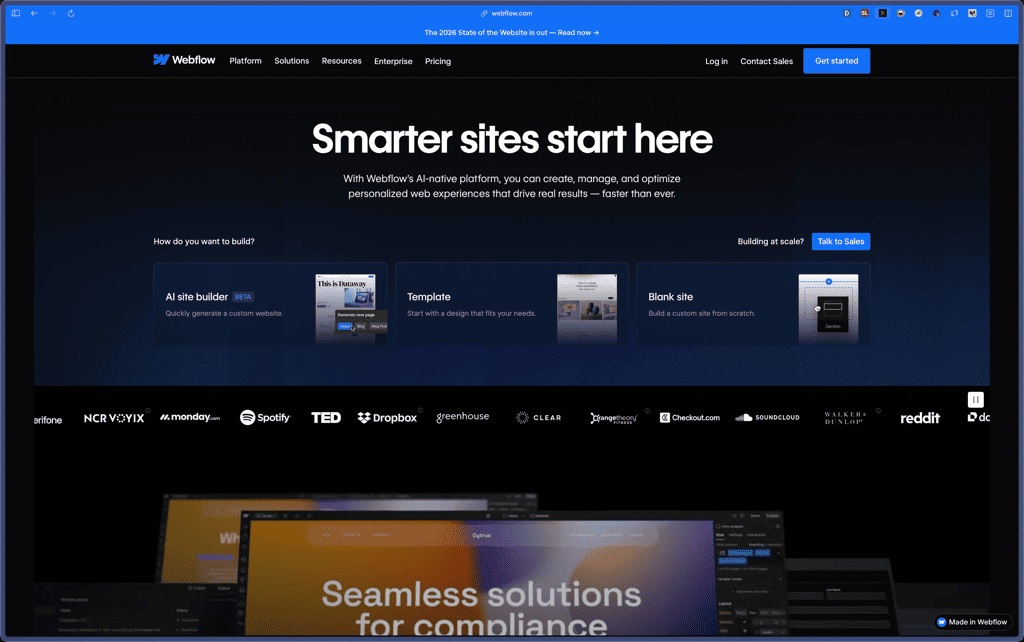
HubSpot
HubSpot

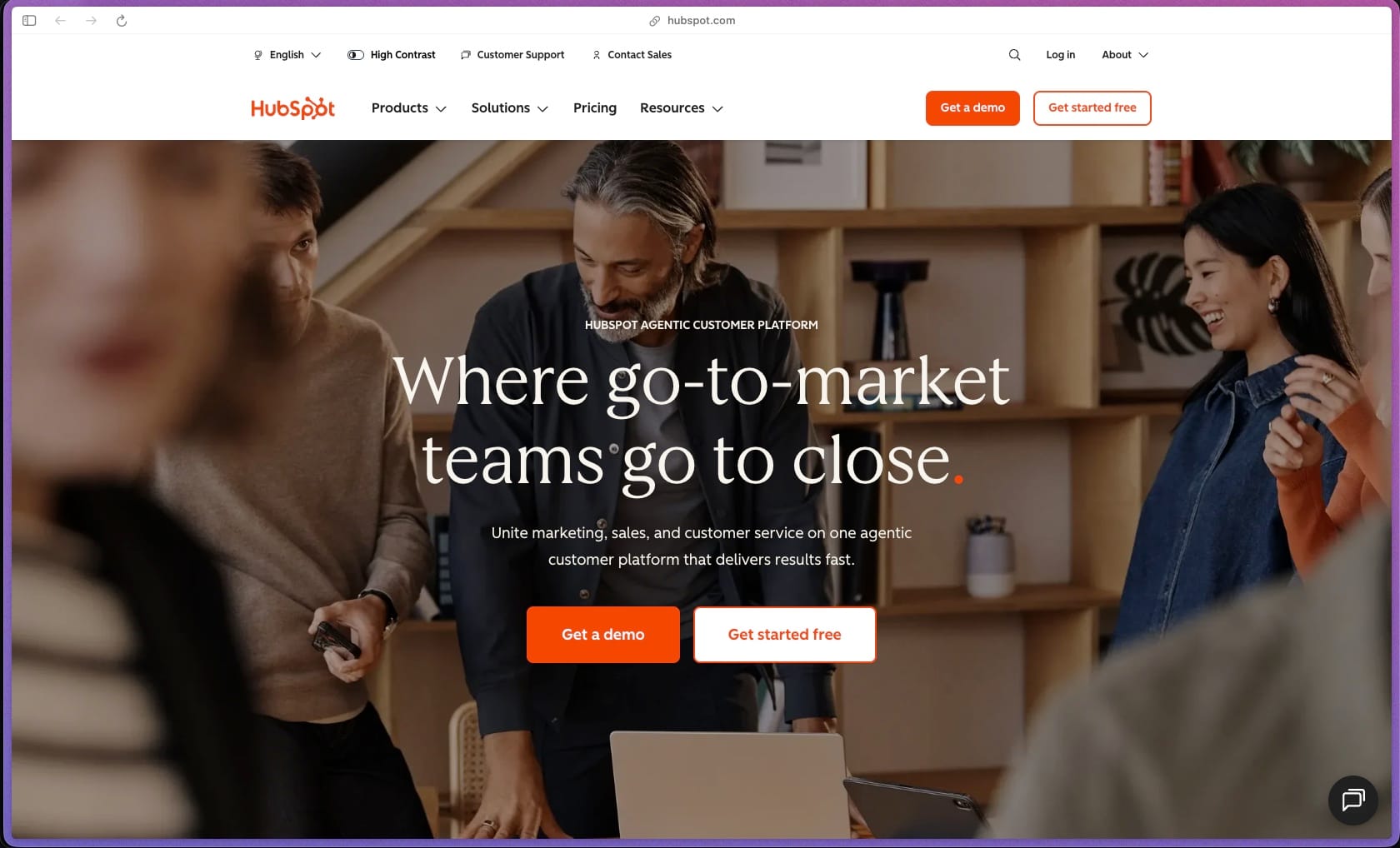
HubSpot's permanently free CRM covers contact management, deal pipelines, basic email, live chat, and meeting scheduling without a time limit or credit card — providing a genuinely usable starting point for early-stage founders who want to evaluate the platform before committing to a paid tier. The platform's key structural advantage is a shared contact database across all hubs — meaning marketing, sales, and support teams all work from the same contact record, eliminating the data sync issues and manual deduplication that come with running separate tools for each function. HubSpot has been publicly traded on NYSE since 2014, serves over 95,500 customers across 120+ countries, and has 20 years of operating history as a platform — providing the kind of longevity and infrastructure investment that reduces platform risk for buyers committing to a multi-year CRM relationship.
HubSpot uses a freemium model with tiered paid subscriptions — the core CRM is permanently free with no time limit, while advanced features (automation depth, reporting, contact limits, AI tools, and hub-specific capabilities) require paid Starter, Professional, or Enterprise plans billed monthly or annually per seat and per hub. Professional and Enterprise tiers also include mandatory one-time onboarding fees; buyers should factor these into total first-year cost calculations before committing to a plan.
HubSpot's free CRM plan is available indefinitely with no credit card required — providing a no-risk evaluation path for the core contact management, deal pipeline, and basic email features before any paid plan commitment is necessary. Refund policy for paid plans is not specified on the official hubspot.com pricing pages — buyers on Starter, Professional, or Enterprise plans should confirm cancellation and refund terms directly with HubSpot before purchasing, particularly given that Professional and Enterprise tiers include non-refundable one-time onboarding fees.
HubSpot is "mature/established" — founded in Cambridge, Massachusetts in 2006 by Brian Halligan and Dharmesh Shah, with 20 years of operating history, public company status since 2014, over 95,500 paying customers, and a product portfolio that has expanded from its original inbound marketing tool into a full customer platform covering Marketing Hub, Sales Hub, Service Hub, Content Hub, Data Hub, Revenue Hub, and Smart CRM. The platform receives continuous product investment — the 2025–2026 cycle introduced Breeze AI agents (Customer Agent, Prospecting Agent, Data Agent), AI credit-based usage for agent capabilities, and a documented shift from workflow automation toward agentic task execution, indicating an active product roadmap with meaningful feature velocity rather than a maintenance-mode product. One honest context note: HubSpot's pricing complexity has increased substantially over the past three years, with the introduction of seat-based pricing, hub-based bundles, contact-tier billing, onboarding fees at Professional+, and AI credit usage — meaning the total cost of ownership for a mid-market team is materially higher and harder to forecast than the headline free/Starter pricing suggests; independent 2026 pricing breakdowns (Avidly, TinyCommand, FeatureBase) consistently document this complexity as the most significant buyer friction point.
- Rated 4.4 out of 5 on G2 from 35,000+ verified reviews across all HubSpot products — ranked #1 in 65 G2 categories, with G2 listing HubSpot as having served customers since 2006.
- Over 95,500 customers across more than 120 countries use the HubSpot platform — as documented on HubSpot's official G2 seller profile.
- CheckThat.ai's 2026 independent review aggregates 23,000+ verified HubSpot reviews — with the most frequently cited positive themes being unified platform, ease of use, and automation depth, and the most common criticisms being pricing complexity at Professional tier and support quality variations.
- HubSpot has been publicly traded on NYSE (ticker: HUBS) since 2014 — providing audited public financial reporting as a signal of platform stability and institutional accountability that private or bootstrapped SaaS alternatives cannot match.
- HubSpot Academy is a widely used third-party certification resource, with certifications in inbound marketing, CRM, and sales recognized by hiring managers across the SaaS and marketing industries — indicating platform adoption depth beyond direct product users.
- Smart CRM provides a unified contact, company, and deal record shared across all HubSpot hubs — meaning every marketing email, sales call, support ticket, and website visit by the same contact is recorded in one place, so any team member picking up a conversation has full historical context without asking the customer to repeat themselves.
- Deal pipeline management with Kanban-style board views lets sales teams track opportunities across customizable pipeline stages — with deal value, expected close date, and assigned rep visible per card, and automated stage movement available on paid plans to reduce manual pipeline hygiene burden.
- Free CRM tier covers contacts, companies, deals, basic email, live chat, meeting scheduling, and a shared team inbox with no time limit — covering the core needs of a solo founder or small sales team evaluating the platform before purchasing a paid hub subscription.
- Marketing Hub covers email marketing, landing pages, forms, ad management (Google, Facebook, LinkedIn), social media scheduling, and campaign performance grouping — all connected to the CRM contact database so every marketing interaction is attributed to a specific contact record without a separate marketing attribution tool.
- Sales Hub covers email sequencing, meeting scheduling, call recording, deal pipeline automation, sales forecasting, and prospecting tools — designed to reduce the administrative time sales reps spend on follow-up scheduling and pipeline status updates by automating the routine steps between touchpoints.
- Service Hub covers a customer support ticketing pipeline, shared team inbox, live chat, a self-service knowledge base, customer feedback surveys (NPS, CSAT, CES), and the Breeze Customer Agent for AI-powered 24/7 inquiry resolution — connecting support activity to the same CRM contact record that marketing and sales teams use.
- Content Hub (previously CMS Hub) provides a CRM-connected website builder, blog platform, landing page tools, SEO recommendations, and AI-assisted content creation — allowing website personalization based on CRM contact properties (e.g., showing different content to known customers versus anonymous visitors).
- Revenue Hub covers quote creation, payment processing (via Stripe), subscription billing management, and e-signature capabilities — connecting the point of revenue collection to the same contact record that marketing, sales, and service teams use, without a separate billing platform for straightforward revenue scenarios.
- Data Hub (previously Operations Hub) provides data sync between HubSpot and external platforms, custom-coded automation actions, data quality tools, and programmable automation for teams that need to extend HubSpot's native workflows with custom logic beyond what the no-code workflow builder covers.
- Breeze AI agents — Customer Agent (24/7 inquiry resolution and lead qualification), Prospecting Agent (buying signal monitoring and prospect outreach), and Data Agent (contact record enrichment and maintenance) — handle repeatable front-office tasks autonomously using the CRM contact data as their working context.
- HubSpot App Marketplace contains 1,500+ native app integrations covering virtually every business software category — including Slack, Google Workspace, Microsoft 365, Salesforce, Zoom, Shopify, Stripe, LinkedIn, Facebook Ads, Google Ads, Zapier, and hundreds of industry-specific tools, covering the most common integration scenarios without custom API development.
- Bi-directional Salesforce integration allows HubSpot and Salesforce to stay in sync — covering organizations where HubSpot is used for marketing automation while Salesforce remains the sales team's primary CRM, maintaining one shared contact dataset between both platforms without manual export/import.
- Data Hub's data sync tools provide two-way, real-time sync between HubSpot and 100+ external platforms — covering the scenario where contact or customer data lives in another system of record (e.g., NetSuite, SAP, an e-commerce platform) and needs to be reflected accurately in HubSpot without manual CSV reconciliation.
- HubSpot's tracking code integrates with any external website (non-HubSpot CMS) — capturing form submissions, page views, and behavioral events from non-HubSpot pages and attributing them to the corresponding contact record for complete cross-site behavioral tracking.
- Stripe integration in Revenue Hub enables payment collection directly within HubSpot quotes — allowing buyers to pay invoices via a HubSpot-generated payment link without a separate checkout page or payment platform, covering straightforward B2B payment scenarios.
- ChatSpot (available as an AI assistant within the HubSpot platform) enables natural language interaction with CRM data — allowing users to add contacts, generate reports, create tasks, and search deal status using plain-language prompts rather than navigating the dashboard interface.
- Workflows tool provides a visual, no-code automation builder for any combination of marketing, sales, service, and operations processes — covering triggers based on contact property changes, form submissions, deal stage movements, email interactions, or any custom event, with branching logic for conditional paths based on contact data.
- Sequences tool automates personalized multi-step email outreach for sales reps — queuing timed follow-up emails and tasks for a defined prospect list so reps don't have to manually track who needs a follow-up, with automatic enrollment pause when the prospect responds.
- Lead scoring automates the prioritization of inbound contacts — assigning positive or negative score values based on demographic properties and behavioral actions (page views, email opens, form fills, content downloads) so sales reps work from a ranked list of highest-interest prospects rather than treating all inbound leads equally.
- Content Remix (AI-powered) repurposes existing content for different channels and formats automatically — taking a blog post, webinar, or long-form asset and generating social media copy, email summaries, and short-form content variations, reducing the manual effort of adapting content across multiple channels.
- Breeze Prospecting Agent monitors buying signals for defined target accounts and initiates prospect outreach at configured trigger points — covering the sales development workflow of identifying in-market accounts and initiating first-touch outreach without manual SDR research and scheduling.
- Automated deal rotation and task assignment routes new inbound leads or deals to the appropriate team member based on defined criteria (territory, industry, deal size, round-robin) — eliminating the manual distribution step that delays first-touch response time in inbound-heavy sales teams.
- Pre-built reports library provides ready-to-use reports covering marketing campaign performance, sales pipeline velocity, deal forecasting, email deliverability, website traffic sources, contact conversion rates, and support ticket resolution times — available in all HubSpot accounts without custom report configuration.
- Custom report builder allows single-object and cross-object reports to be built from any data in the CRM — covering scenarios where the pre-built reports don't match the specific combination of data dimensions the team needs, with filtering, grouping, and visualization options available without SQL or code.
- Attribution reporting connects marketing activities to revenue outcomes — showing which campaigns, content pieces, email sequences, or ad channels contributed to each closed deal, covering the multi-touch attribution analysis that helps marketing teams defend spend allocation against pipeline performance.
- Customer Journey Analytics maps individual contact-level paths through the marketing and sales funnel — showing the specific sequence of touchpoints each contact experienced before converting, providing a qualitative complement to aggregate funnel reports.
- Custom funnel reports track conversion rates between any defined stages — covering non-standard pipelines (e.g., product-led growth funnels, partner referral flows, or multi-product upgrade paths) that the default pipeline reporting views don't address.
- Team dashboards aggregate custom and pre-built reports into role-specific views — allowing a marketing dashboard, sales forecast dashboard, and support performance dashboard to be built separately and shared with the relevant teams on a recurring schedule via email or Slack.
- Sales forecasting tool (Sales Hub Professional and Enterprise) projects expected revenue by pipeline category and sales period — using deal close date, deal value, and pipeline stage probability to generate a forecast that sales managers can compare against revenue goals.
- Tool-specific analytics are embedded throughout the platform — with email performance analytics, workflow enrollment statistics, social media post metrics, ad campaign ROI reporting, and knowledge base article performance each accessible within the relevant tool without navigating to a central reporting dashboard.
- Traffic analytics (Marketing Hub and Content Hub Professional and Enterprise) provides page-level website traffic analysis — covering session counts, source attribution, device type breakdown, and conversion rate per landing page, answering inbound traffic and content performance questions without a separate Google Analytics implementation.
- Advanced custom reports using data from custom objects (Enterprise only) allow reporting on business-specific data structures — covering enterprises that have modeled unique objects in HubSpot (e.g., subscriptions, properties, vehicles, projects) and need reporting across those custom objects alongside standard CRM data.
- Custom properties allow any field type — text, number, date, dropdown, multi-select, or calculated — to be added to any contact, company, deal, ticket, or custom object record, covering businesses whose data model doesn't fit the default CRM field set without requiring a database customization project.
- Custom objects (Enterprise only) allow entirely new data entities to be created within the HubSpot CRM — covering scenarios where standard contacts, companies, deals, and tickets are insufficient to model the business's data relationships, such as managing property listings, fleet vehicles, event registrations, or subscription plans as first-class CRM objects.
- Pipeline customization lets each deal, ticket, or custom object pipeline have its own stage names, stage probabilities, and required fields — covering businesses with non-standard sales processes or multiple distinct product lines that follow different sales motions within the same HubSpot account.
- CRM views and flexible layouts can be configured per team or per user — allowing the contact, company, deal, and ticket record layout to surface the most relevant properties for each team's workflow rather than showing a generic default field order to every user.
- Smart content and personalization tokens allow website pages, emails, and landing pages to display different content to different visitor segments based on CRM properties — covering persona-based personalization, lifecycle-stage-based messaging, and returning customer recognition without a separate personalization tool.
- Role-based access control allows permissions to be configured at the team and individual user level — covering view, create, edit, and delete access for any combination of CRM objects, tools, or data, so sensitive deal data or customer records are accessible only to the team members who need them.
- Single sign-on (SSO) integration is available on Enterprise plans — allowing HubSpot access to be managed through the organization's existing identity provider (Okta, Azure AD, Google Workspace), covering enterprise security governance requirements for account access management.
- Two-factor authentication (2FA) is available for all HubSpot accounts — adding a second verification layer to the account login process to protect against unauthorized access to CRM data.
- GDPR compliance tooling includes cookie consent banners, data privacy settings per contact record, data deletion workflows, and subscription management — covering the legal basis and consent documentation requirements for EU-regulated marketing and data processing activities.
- Data encryption in transit and at rest, SOC 2 Type II certification, and HIPAA compliance options (available on Enterprise with Business Associate Agreement) cover the security and compliance requirements of regulated industries including healthcare, financial services, and enterprise procurement.
- Early-stage B2B SaaS founders managing their first sales pipeline who want free contact management, deal tracking, email sequences, and meeting scheduling without paying for a CRM — using HubSpot's genuinely free tier to manage up to a few hundred contacts and a simple sales pipeline before needing to upgrade.
- Small marketing teams at B2B companies running inbound marketing programs who need email marketing, landing pages, form capture, ad management, and campaign attribution connected to a CRM contact database — using Marketing Hub Starter or Professional to run campaigns without managing a separate email tool, landing page builder, and CRM in parallel.
- Inside sales teams at 10–50 person companies who need email sequencing, deal pipeline management, meeting scheduling, call logging, and basic forecasting in a single interface — using Sales Hub to reduce the time reps spend on administrative pipeline maintenance between actual sales conversations.
- Customer support teams that want a ticketing pipeline, shared inbox, knowledge base, and NPS/CSAT survey capability connected to the same CRM used by the sales team — using Service Hub to give support agents full customer purchase and interaction history without switching to Zendesk or Intercom for a separate tool.
- Growth-stage companies that have outgrown a stack of disconnected tools (Mailchimp for email, Pipedrive for CRM, Zendesk for support) and want to consolidate — using HubSpot's multi-hub model to replace multiple subscriptions with one shared platform where all teams work from the same contact record.
- Use it for managing your B2B sales pipeline when you're a solo founder or small sales team that needs deal tracking, email follow-up sequences, and meeting scheduling without paying for a CRM tool in the first 6–12 months — using the free tier to handle the full sales workflow until pipeline volume justifies a paid plan.
- Use it for running inbound marketing campaigns when your team needs email marketing, landing page creation, ad management, and campaign attribution to connect directly to CRM contact records — replacing a Mailchimp + separate landing page tool + manual attribution spreadsheet workflow with a single connected system.
- Use it for automating lead nurturing workflows when a new inbound form submission should trigger a multi-step email sequence, contact property update, and sales task assignment without manual processing — using Workflows to handle the routing and follow-up logic for every new inbound lead automatically.
- Use it for consolidating marketing, sales, and support data when your team is losing context between departments — using the shared contact record so marketing can see which content pieces influenced closed deals, sales can see which support tickets a prospect filed, and support can see what a customer paid for.
- Use it for tracking content marketing ROI when you need to connect blog traffic, email campaign performance, and landing page conversion data to deal creation and revenue — using Marketing Hub's attribution reporting to show which content assets contributed to pipeline rather than reporting only on traffic volume.
- Use it for scaling a customer support operation when your team needs to manage a high volume of support tickets with automated routing, a self-service knowledge base, and Breeze AI handling routine inquiries — using Service Hub to let the AI agent resolve straightforward tickets while human agents focus on complex escalations.
- Cloud-hosted SaaS platform — HubSpot is fully managed by HubSpot's cloud infrastructure with no self-hosted or on-premise deployment option; all data, processing, and AI workloads run on HubSpot's servers, accessible via web browser.
- HubSpot mobile apps are available for iOS and Android — providing CRM contact and deal access, activity logging, meeting management, and basic notification handling on mobile devices for sales reps working outside the office.
- Tracking code can be installed on any external website via Google Tag Manager, direct script placement, or through HubSpot's native CMS — covering companies whose website is built on WordPress, Shopify, Webflow, or any other platform rather than HubSpot's Content Hub.
- HubSpot App Marketplace provides 1,500+ integrations covering CRMs (Salesforce), communication tools (Slack, Microsoft Teams, Zoom), e-commerce platforms (Shopify, WooCommerce), payment processors (Stripe), accounting tools (QuickBooks, Xero), and marketing platforms (Google Ads, Facebook Ads, LinkedIn) — with both native integrations and Zapier-based connections available.
- Public REST API and webhooks allow custom integrations and external system connectivity for technical teams — with developer documentation at developers.hubspot.com covering all CRM objects, workflow triggers, and reporting data endpoints.
- AI features (Breeze Agents, Content Remix, Chatspot) run on HubSpot's platform infrastructure — with AI credits introduced as a usage-based consumption unit for agent tasks at Professional and Enterprise tiers, meaning AI-heavy usage patterns can affect plan cost calculations beyond the base per-seat subscription price.
HubSpot's most direct competitors at different price tiers are Salesforce (enterprise CRM), Zoho CRM (SMB), Pipedrive (sales-focused CRM), ActiveCampaign (marketing automation), Intercom (conversational support and marketing), and Zendesk (customer service) — HubSpot's positioning is the unified all-in-one platform that replaces separate best-of-breed tools with a single shared contact database, rather than being the deepest specialist tool in any single category. The free CRM tier is HubSpot's most strategic differentiator — it provides genuinely useful contact management, deal tracking, and basic email for free (no time limit, no credit card required), which drives adoption among early-stage companies who then upgrade to paid hubs as their needs grow, a model that Salesforce and Zoho do not replicate at the same breadth and usability level. The most honest limitation relative to competitors is pricing at the Professional tier — the $890/month starting price for Marketing Hub Professional (plus a mandatory $3,000 one-time onboarding fee) represents a significant step-up cost from Starter, meaning the free-to-paid journey has a real financial cliff that teams should model before adopting the platform with the expectation of eventually using professional-grade automation and reporting.
- HubSpot provides phone and email support starting at Starter plans, with priority support and a dedicated customer success manager available at Professional and Enterprise tiers — the free CRM tier is limited to community and knowledge base support, which is worth factoring in for teams that need guided onboarding on the free plan.
- HubSpot Knowledge Base (knowledge.hubspot.com) is one of the most comprehensive documentation resources in the CRM category — covering every product feature with step-by-step setup guides, video walkthroughs, FAQs, and troubleshooting documentation; the reporting documentation specifically covers pre-built reports, custom report builder, attribution reports, funnel builder, and journey analytics in structured detail.
- HubSpot Academy provides free certification courses in inbound marketing, CRM administration, sales enablement, and platform-specific workflows — with certifications that are widely recognized in the marketing and sales hiring market, making Academy a useful internal training resource for onboarding new team members to the platform.
- HubSpot Community (community.hubspot.com) is an active forum with thousands of threads covering implementation questions, feature requests, and peer-to-peer troubleshooting — providing a credible self-service support channel for teams on the free or Starter tier who need help beyond the documentation.
- The Professional tier pricing step-up from Starter is substantial — Marketing Hub Professional starts at $890/month (plus a mandatory $3,000 one-time onboarding fee), meaning teams that outgrow Starter face a significant cost increase rather than a gradual one; the Starter-to-Professional gap is the most consistently documented buyer friction point across independent 2026 HubSpot pricing reviews.
- AI agent features (Breeze Agents, Content Remix at scale, Chatspot advanced capabilities) are billed using AI credits at Professional and Enterprise tiers — meaning high-volume AI usage can generate costs beyond the base seat subscription, and teams that plan to use AI agents heavily should model credit consumption before selecting a plan tier.
- Custom objects, advanced SSO, multi-touch revenue attribution, and advanced reporting across custom objects are gated to Enterprise plans — buyers who need these capabilities for a complex or enterprise-grade implementation will face Enterprise pricing even if other aspects of their workflow don't require it.
- Free CRM support is limited to community forums and the knowledge base — there is no live chat, email, or phone support available on the free tier, meaning teams that need guided onboarding assistance on the free plan must rely on self-service documentation and community responses.
Related Products
Recently Added!
Wrike
Recently Added!
TimeDoctor

Recently Added!
RingCentral

Recently Added!
Retable

Recently Added!
Parallels Desktop

Recently Added!
Pabbly Connect

Recently Added!
Nuelink

Recently Added!
Kit (formerly ConvertKit)
Recently Added!
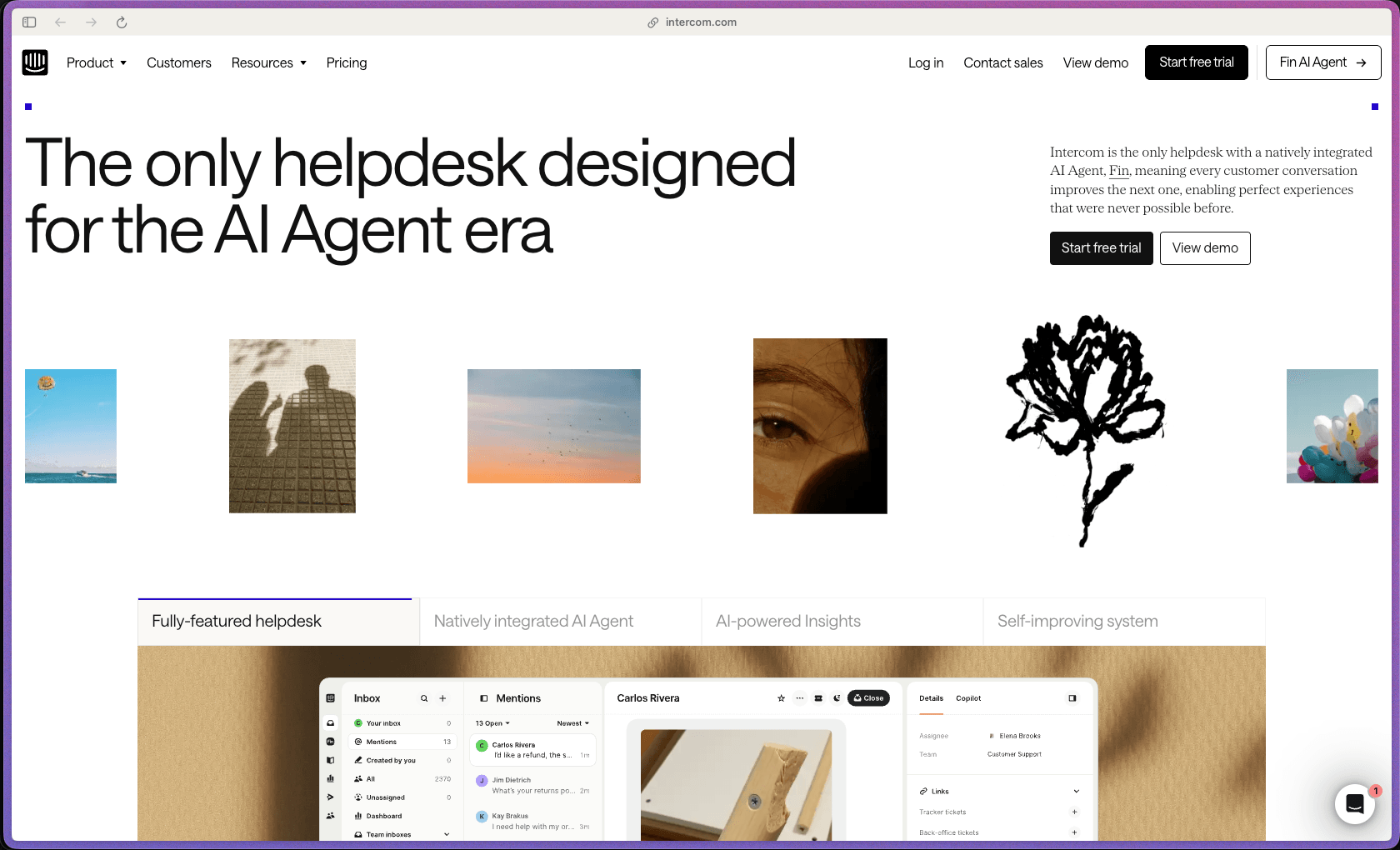
Intercom
Products With Lifetime Deals
Recently Added!
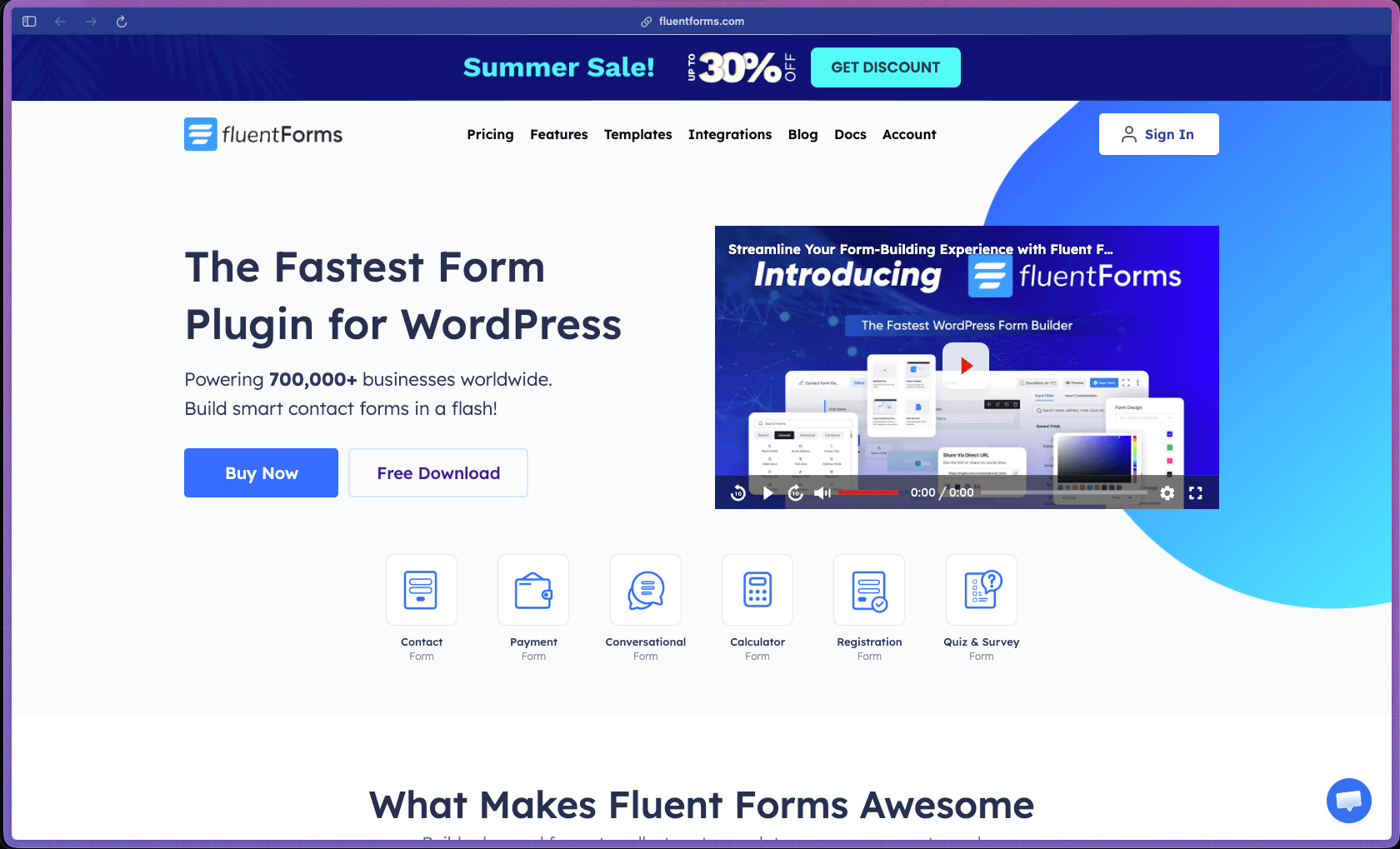
FluentForms
Recently Added!
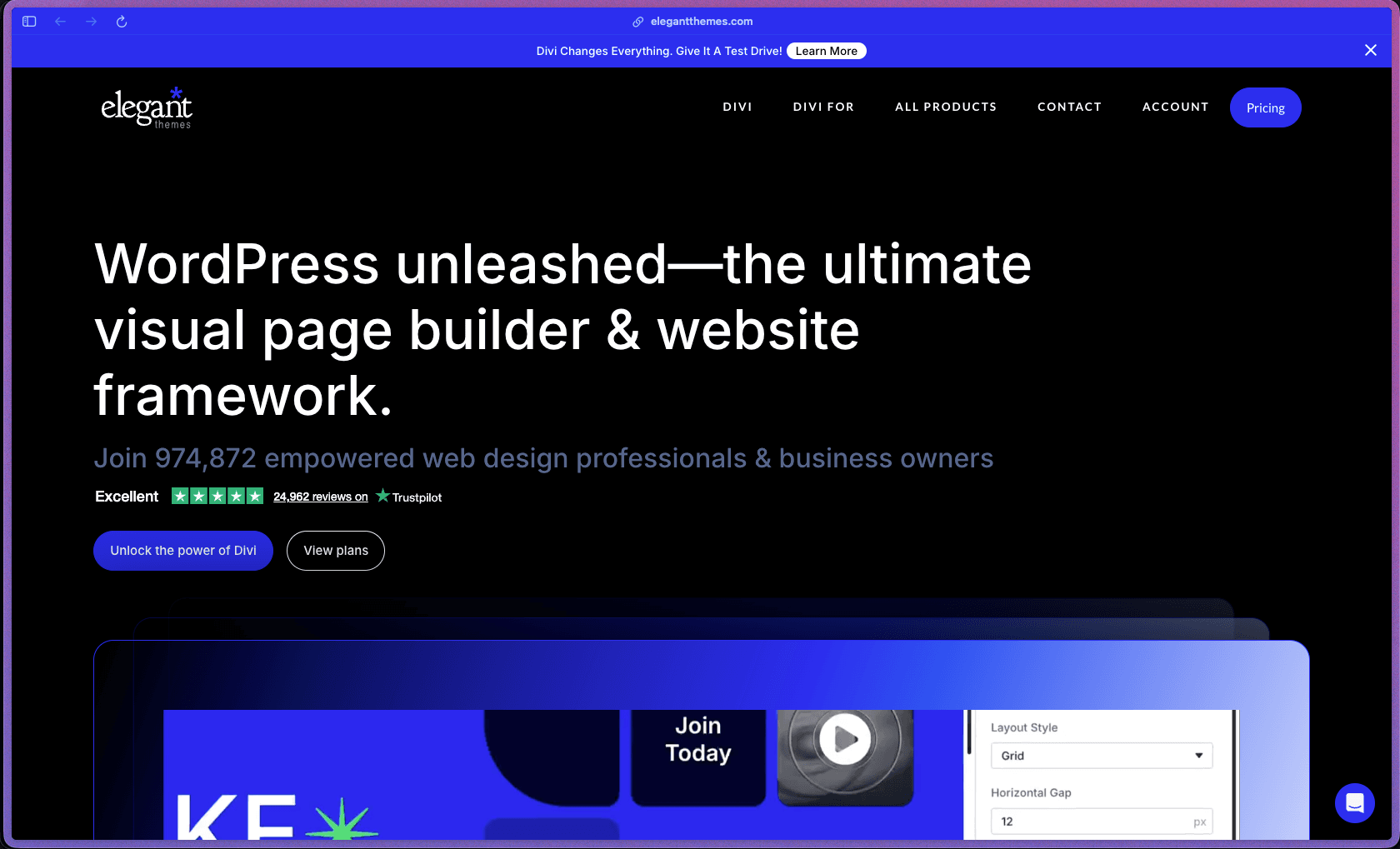
Divi Theme
Recently Added!
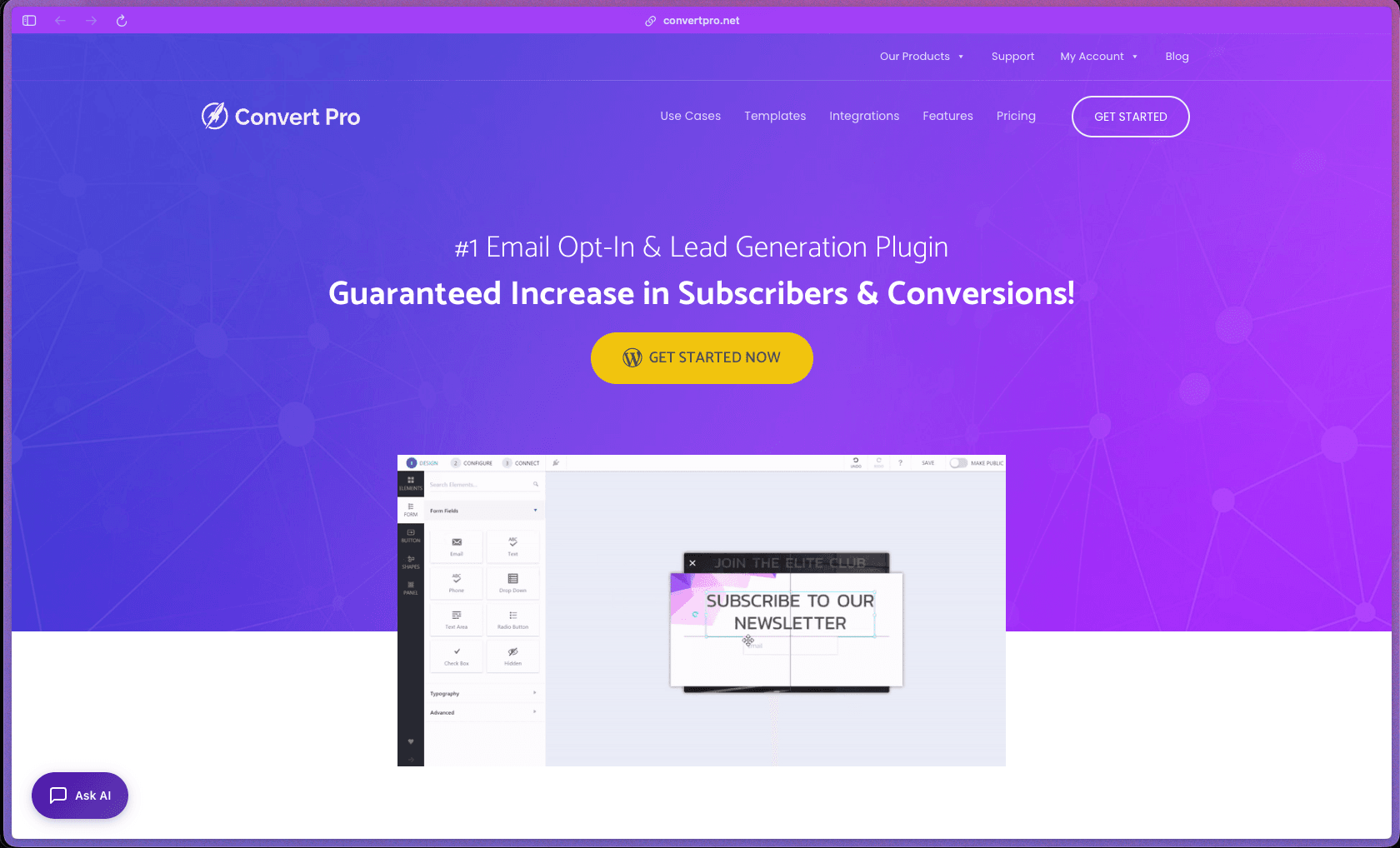
ConvertPro
Recently Added!
CartFlows
Recently Added!
Bullet Proof Security
Recently Added!
WP Booking Calendar
Recently Added!
BeaverBuilder
Recently Added!
Avada
Recently Added!
Independent Analytics
You Recently Viewed These
Recently Viewed
BitFlows

Recently Viewed
Amelia
Recently Viewed
Dynamic.ooo

Recently Viewed
Microthemer & Amender

Recently Viewed
LifterLMS

Recently Viewed
Masteriyo

Recently Viewed
Zynith SEO
Recently Viewed
Wrike
Recently Viewed
WPMU Dev
Recently Viewed
wpDataTables
Recently Viewed
WP Booking Calendar
Recently Viewed
Webflow