
Cloudinary
Cloudinary

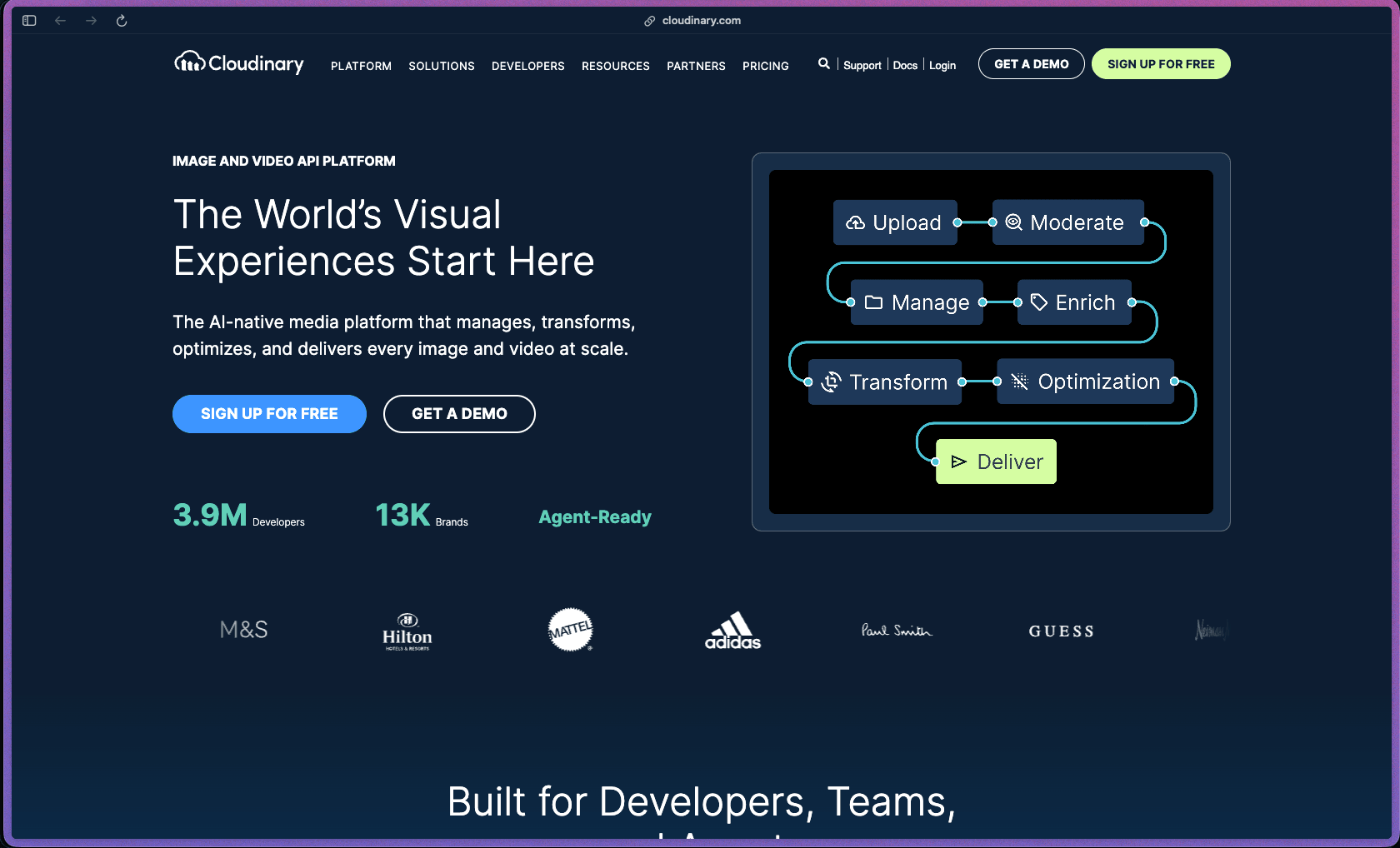
Cloudinary solves a real developer headache—serving correctly sized, optimized images and videos to every device without maintaining a separate image processing pipeline, CDN, and storage layer. It's been doing this since 2012 and now serves over 2 million registered users across companies like Peloton, Grubhub, NBC, Hinge, and Atlassian—a maturity signal that's hard to ignore when evaluating an infrastructure-layer tool. The free plan includes 25GB storage, transformation API access, CDN delivery, and auto-backup, making it genuinely usable for developers evaluating or building on the platform without an upfront commitment.
Cloudinary uses a freemium model with a permanent free plan and paid monthly or annual subscription tiers, with each plan priced around a credit-based usage system that covers storage, transformation, and bandwidth consumption. Additional credits can be purchased as needed on top of any plan; enterprise pricing is available for large-scale deployments.
A free plan is available with no time limit and no credit card required for the initial signup tier. Refund policy for paid plans is not specified on the official pricing or support pages—buyers should confirm cancellation and refund terms directly with Cloudinary before upgrading to a paid subscription.
Cloudinary is "mature/established"—founded in 2012, it has been operating continuously for over 13 years, grown to 2 million registered users, and serves globally recognized enterprise brands across media, e-commerce, and SaaS verticals. The product has expanded well beyond its original image API origins to include AI-powered transformations, generative AI features (generative fill, background removal, object replacement), digital asset management, video transcoding, adaptive streaming, content moderation, and a creative review and approval workflow layer. Active development is evidenced by regular new AI transformation features published on the Cloudinary blog and a GitHub community with integration examples maintained across multiple frameworks.
- Rated 4.4 out of 5 on G2 from 175+ verified reviews, ranking as a Grid Leader in its category as of mid-2026.
- Cloudinary reached 2 million registered users in June 2024, doubling its user base in three years, with 10,000+ paying customers documented in a Forrester-commissioned study showing 203% ROI for customers.
- Notable customers include Atlassian, Peloton, Grubhub, NBC, Hinge, Bombas, Mediavine, Bleacher Report, Under Armour, Levi's, GUESS, and Lastminute.com, spanning e-commerce, media, fitness, and SaaS categories.
- TechnologyChecker.io identifies 68,000+ companies using Cloudinary across industries as of 2026.
- A Forrester-commissioned Total Economic Impact study found Cloudinary customers reported an estimated 203% ROI over three years, with significant time savings in image production and delivery workflows.
- On-the-fly image transformation delivers the correct image size, format, crop, and quality for every device and context by appending transformation parameters directly to the image URL—no pre-generated variants or manual resizing needed.
- Automatic format selection (auto format) detects the requesting browser or device and serves WebP, AVIF, JPEG XL, or the most efficient format automatically, reducing file size without changing the source image.
- Automatic quality optimization adjusts compression dynamically per image to find the smallest file size that still looks visually acceptable, with no manual quality setting required.
- Video transcoding and adaptive bitrate streaming converts uploaded videos to multiple resolutions and formats for smooth playback across devices and connection speeds.
- AI-powered smart cropping detects faces and objects of interest within images and automatically centers crops around them, ensuring product and portrait images crop correctly across different display sizes without manual intervention.
- Generative AI transformations—including generative fill (background extension), generative remove (object removal), generative replace (object swap), and AI upscaling—allow teams to create image variations from existing assets without re-shooting or hiring a designer.
- Digital Asset Management (DAM) provides a centralized media library for storing, organizing, tagging, and searching all images and videos with AI-powered auto-tagging, folder structure, structured metadata, and role-based access permissions.
- Background removal and color replacement let teams generate product-on-white images or swap backgrounds programmatically via the transformation API, useful for e-commerce catalog automation.
- Watermark and overlay application can be automated on upload or at delivery time, adding text, logos, or image overlays at specified positions without manual editing per asset.
- Video thumbnail generation extracts frames from uploaded videos at specified time codes and auto-generates cover images for video content without additional processing tools.
- 3D asset management and delivery supports 3D file formats alongside standard images and videos, relevant for e-commerce teams handling product visualization in 3D.
- Cloudinary Video Player provides an embeddable, customizable HTML5 video player with built-in analytics, bitrate controls, and optional ad placement.
- Cloudinary Media Gallery provides a configurable interactive gallery component that can be embedded in websites or apps to display and browse assets with search and filter capabilities.
- Content moderation automatically reviews uploaded assets against defined visual standards—detecting AI-generated content, copyright risks, and quality issues before they reach production, with a full audit trail and human override option.
- Creative review and approval workflow tools let teams route assets through structured approval stages with feedback, version tracking, and sign-off before publication.
- Automatic backup and historical revision tracking stores previous versions of uploaded assets, enabling rollback without maintaining a separate version control system for media files.
- SDKs and client libraries are available for JavaScript, Node.js, Python, PHP, Ruby, Java, .NET, iOS, Android, React, Vue, Next.js, and other frameworks, enabling Cloudinary integration into virtually any web or mobile application without starting from scratch.
- A WordPress plugin integrates Cloudinary directly into the WordPress media library, automatically offloading image storage and delivery to Cloudinary's CDN with transformation support within the WordPress admin.
- WP Engine's managed WordPress environment offers a Cloudinary integration in their solution center, indicating compatibility with major managed WordPress hosts.
- Cloudinary connects with e-commerce platforms including Salesforce Commerce Cloud and Shopify workflows through API and SDK integration, supporting catalog-scale image delivery for online stores.
- Zapier and API integrations allow Cloudinary to be connected to other tools and workflows for automated asset processing, tagging, and delivery without custom development.
- AI Gateway integration is referenced by customers using Cloudinary alongside external AI providers for content generation workflows.
- Upload presets automate transformation pipelines on upload—applying resizing, format conversion, watermarking, and tagging to every uploaded asset automatically, without any per-asset manual configuration.
- Incoming transformation webhooks trigger downstream processes when an asset is uploaded and processed—useful for notifying CMS systems, updating databases, or triggering publishing workflows automatically.
- AI-powered auto-tagging assigns descriptive metadata tags to uploaded images based on visual content analysis, making assets searchable and organizable without manual tagging by content teams.
- Taxonomy-level transformations allow teams to define transformation rules at the folder or tag level, applying them across entire categories of assets automatically when they're delivered.
- Content moderation automation reviews every uploaded asset against visual standards before it reaches the production library, flagging violations without requiring a manual review step for routine uploads.
- Usage and analytics dashboards track credit consumption by resource type (storage, transformations, bandwidth) to help teams understand what's driving their plan costs before upgrades are needed.
- Cloudinary Video Player includes built-in playback analytics covering plays, view time, drop-off rates, and ad performance for hosted video content.
- Error reports are included on paid plans, providing visibility into transformation failures or delivery errors across the asset pipeline.
- Role-based access control lets account administrators assign different permission levels to team members—developers, content editors, and reviewers can each see and do only what their role permits.
- Named transformations allow teams to define and save commonly used transformation chains as reusable shortcodes, keeping image URLs clean and transformation logic centrally managed rather than embedded in every URL.
- Multiple product environments (sub-accounts) within a single Cloudinary account allow teams to separate assets and configurations by project, brand, or client.
- The Upload Widget provides a configurable, drop-in UI component for collecting image uploads from end users with built-in cropping, source selection (camera, Google Photos, Dropbox, etc.), and immediate transformation on upload.
- Signed URLs and access restrictions let teams control who can access specific assets—generating time-limited or signature-protected delivery URLs for private or paid content.
- Allowlist and blocklist controls for asset access are available on higher-tier plans, restricting which domains or users can fetch specific assets from the CDN.
- AI-powered content moderation detects AI-generated, low-quality, or legally risky visuals before they enter the production pipeline, reducing manual compliance review overhead for platforms handling user-generated content.
- All assets are stored with automatic backup and revision history, providing a recovery path in the event of accidental deletion or upload of the wrong file version.
- E-commerce development teams managing large product image catalogs who need automated resizing, background removal, format optimization, and CDN delivery for thousands of SKUs without a manual image processing workflow.
- SaaS and mobile app developers who need to handle user-generated image uploads at scale—accepting raw uploads and automatically transforming them to appropriate sizes and formats before serving them in the app.
- Media and publishing teams managing large volumes of editorial images and video content who need a DAM with AI tagging, searchability, and version tracking alongside fast CDN delivery.
- Marketing teams that need to generate multiple image variations (different crops, aspect ratios, overlays, localized text) from a single master asset for different channels—social, email, display ads, web—without sending every variant to a designer.
- Agencies managing visual content for multiple client brands who need isolated product environments, role-based team access, and a content review and approval workflow before assets go live.
- Use it for automated e-commerce product image delivery when you have thousands of product photos that need to be served in multiple sizes and formats across web, mobile, and marketplace channels without maintaining separate image variants for each.
- Use it for handling user-generated content uploads in a mobile or web app when you need to accept images from users, automatically resize and moderate them, and serve the processed versions quickly at global scale.
- Use it for video streaming and delivery on a content platform when you want adaptive bitrate transcoding, a hosted video player with analytics, and CDN delivery without building a separate video infrastructure.
- Use it for generating AI image variations for marketing campaigns when your team needs multiple background-removed, generatively filled, or resized versions of a master creative asset for different channels without manual editing per variant.
- Use it for organizing and searching a large media library when your team uploads hundreds of assets per week and needs AI-powered auto-tagging, structured metadata, and a DAM interface so assets are findable without manual cataloging.
- Use it for WordPress image optimization when you want to offload all image storage and delivery to Cloudinary's CDN automatically—serving WebP, auto-cropped, and quality-optimized images without changing your existing content workflow.
- Cloud-hosted SaaS platform accessible via a web dashboard (cloudinary.com/console) and through the API—no server installation required; integration is via SDKs, REST API, or platform plugins.
- SDKs available for JavaScript, Node.js, Python, PHP, Ruby, Java, .NET, iOS, Android, React, Vue, Next.js, Angular, and others—covering virtually all major web and mobile frameworks.
- CDN delivery is powered by Akamai and AWS CloudFront for global asset distribution, with AWS CloudFront Functions noted in an AWS case study as contributing to an estimated 30% performance improvement for Cloudinary customers.
- A WordPress plugin enables full Cloudinary functionality within WordPress—auto-offloading images, serving optimized formats, and managing the media library from within the WordPress admin.
- Integrations with Salesforce Commerce Cloud, Shopify, and other e-commerce platforms are supported through API and SDK-based connections.
- No native mobile app for account management—the platform is managed via the web dashboard and controlled programmatically via API and SDK.
Cloudinary sits between basic cloud storage services (AWS S3, Google Cloud Storage) and full enterprise DAM platforms—it does significantly more than file storage by handling transformation, optimization, and delivery, while being more accessible and developer-friendly than traditional enterprise DAM tools. Its closest direct competitors are Imgix (image delivery API), Uploadcare (upload and media processing), and Sirv (image CDN), but Cloudinary's breadth—covering video in addition to images, generative AI transformations, a full DAM, and content moderation—differentiates it for teams that want all media workflows in one platform. The credit-based pricing model means costs scale with actual usage, which works well for growing teams but can become difficult to predict at high transformation volumes—a trade-off that G2 reviewers consistently note when flagging pricing complexity.
- Paid plan support includes email tickets and expedited support on higher tiers; the free plan is limited to community forum support with no direct support channel.
- Cloudinary's documentation at cloudinary.com/documentation is comprehensive—covering every transformation parameter, SDK method, API endpoint, and integration guide with code examples across all supported languages and frameworks; independent developers consistently describe it as one of the better-documented media APIs available.
- An active developer community exists across the Cloudinary GitHub community organization (cloudinary-community), developer forum, and dev.to showcase page, with community-maintained integration examples and tutorials supplementing official documentation.
- The credit-based usage model can make monthly costs difficult to predict for teams with variable or high transformation volumes—each plan has a fixed credit allocation, and overages or credit top-ups are billed separately on top of the subscription fee.
- Advanced DAM features—including structured metadata, AI-powered workflow agents, allowlist/blocklist access controls, and multi-account environments—are available only on higher-tier paid plans; the free and entry-level Plus plans have limited DAM capabilities.
- Free plan support is forum-only, with no email or ticket-based support channel—teams running production applications on the free plan have no direct line of support if a delivery issue occurs.
- Cloudinary is not a full video hosting and monetization platform—while it handles transcoding and adaptive streaming, teams needing advanced video monetization (AVOD, SVOD, paywalls) will still need a dedicated video platform.
Related Products
Recently Added!
Umso - Website Builder

Recently Added!
Porkbun

Recently Added!
Network Solutions

Recently Added!
Namecheap

Liquid Web

Recently Added!
InterServer
Recently Added!
InstaWP
Recently Added!
InMotion Hosting

Recently Added!
Hover
Products With Lifetime Deals
Recently Added!
FluentForms

Recently Added!
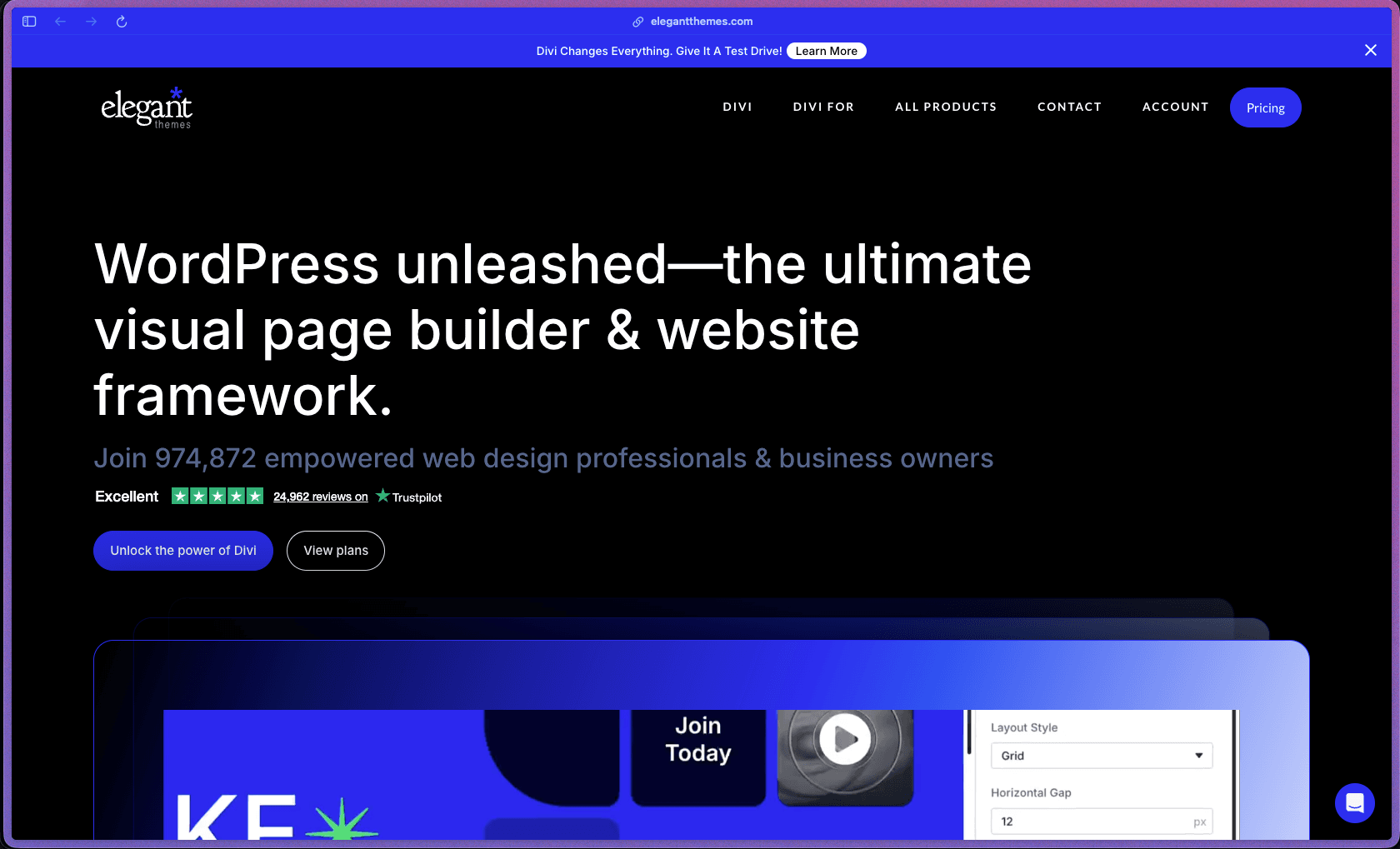
Divi Theme
Recently Added!
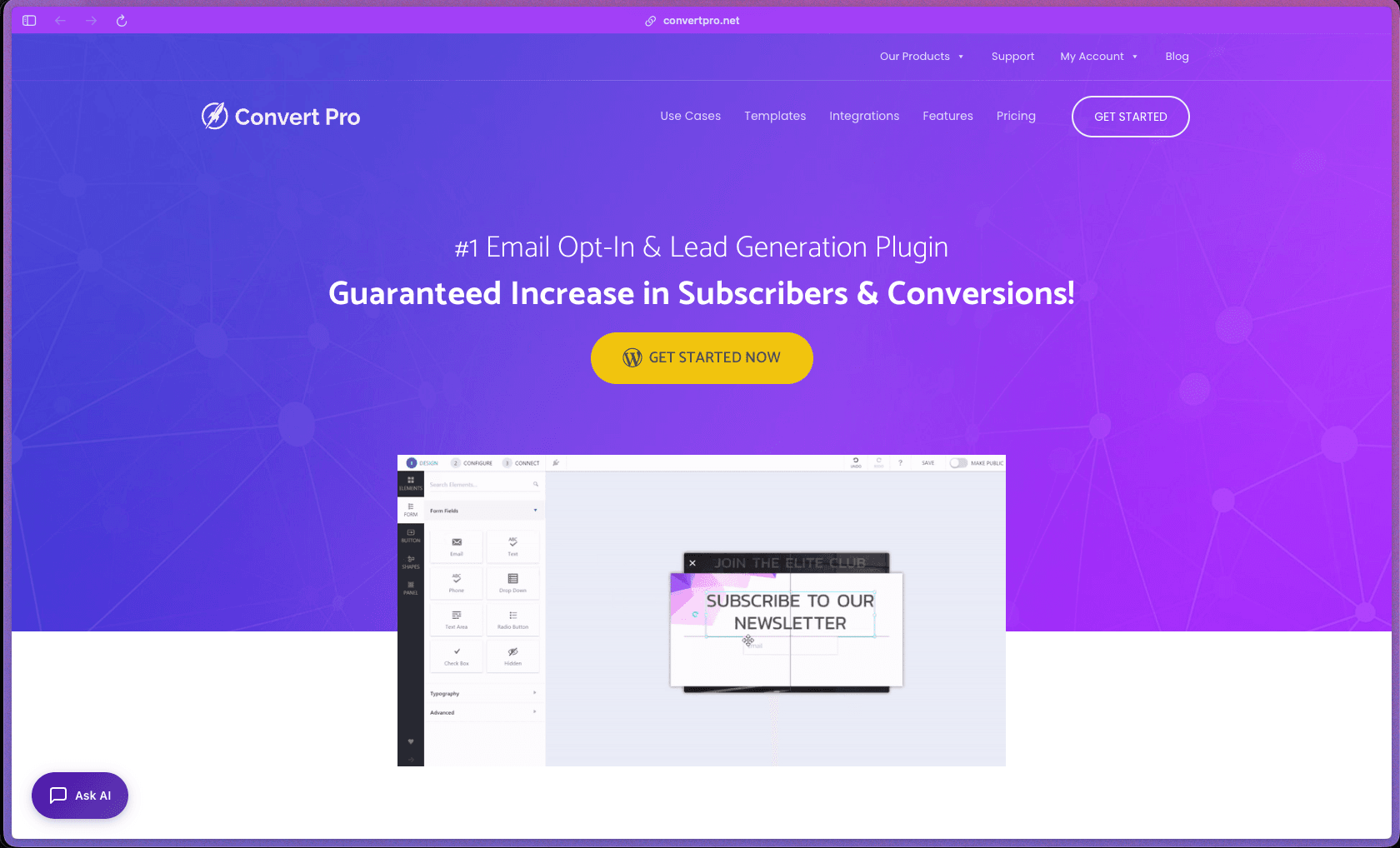
ConvertPro
Recently Added!
CartFlows

Recently Added!
Bullet Proof Security

Recently Added!
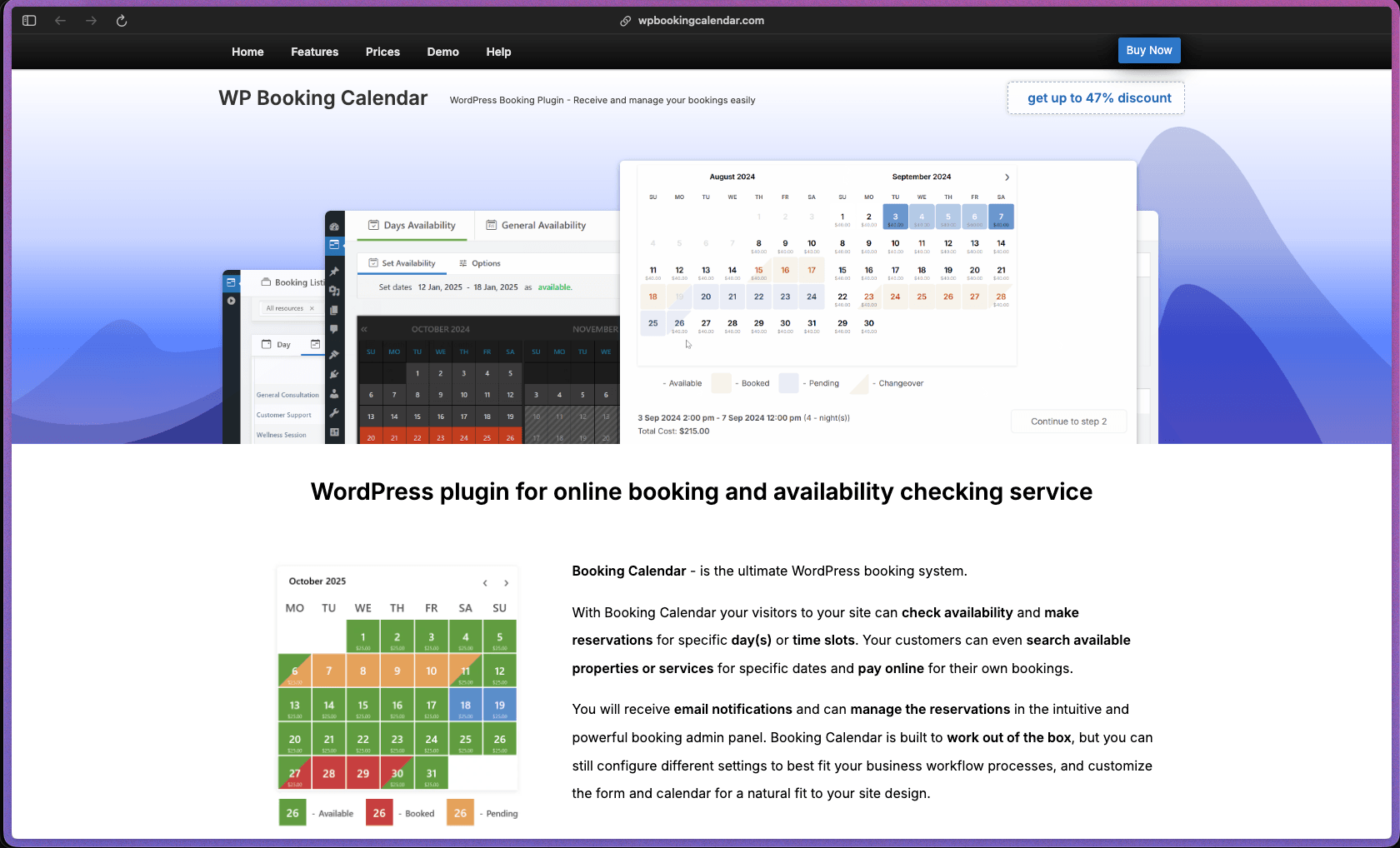
WP Booking Calendar
Recently Added!
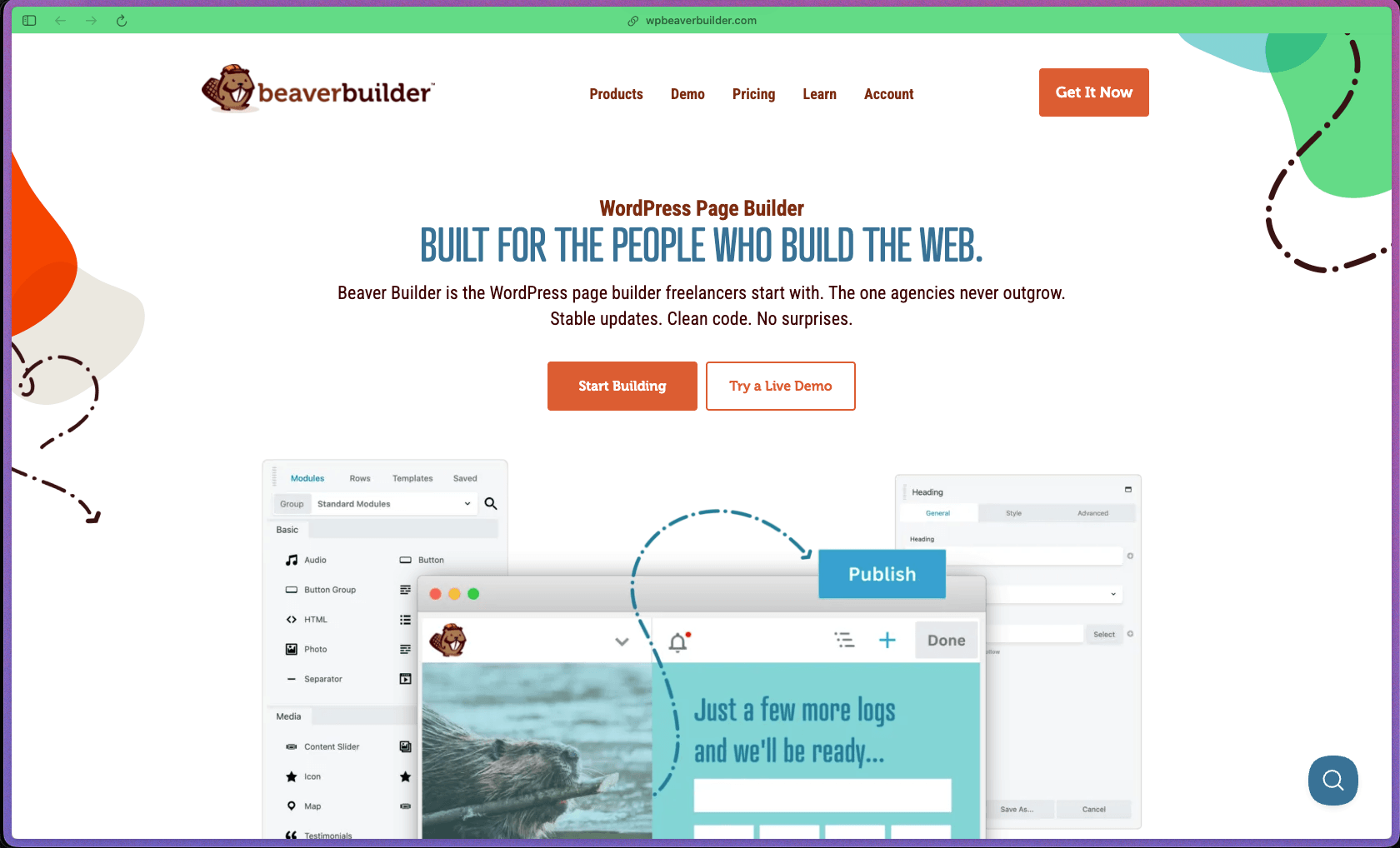
BeaverBuilder
Recently Added!
Avada
Recently Added!
Independent Analytics

You Recently Viewed These
Recently Viewed
BitFlows

Recently Viewed
Amelia
Recently Viewed
Dynamic.ooo

Recently Viewed
Microthemer & Amender

Recently Viewed
LifterLMS

Recently Viewed
Masteriyo

Recently Viewed
Zynith SEO

Recently Viewed
Wrike
Recently Viewed
WPMU Dev
Recently Viewed
wpDataTables
Recently Viewed
WP Booking Calendar
Recently Viewed
Webflow