Clay
Clay
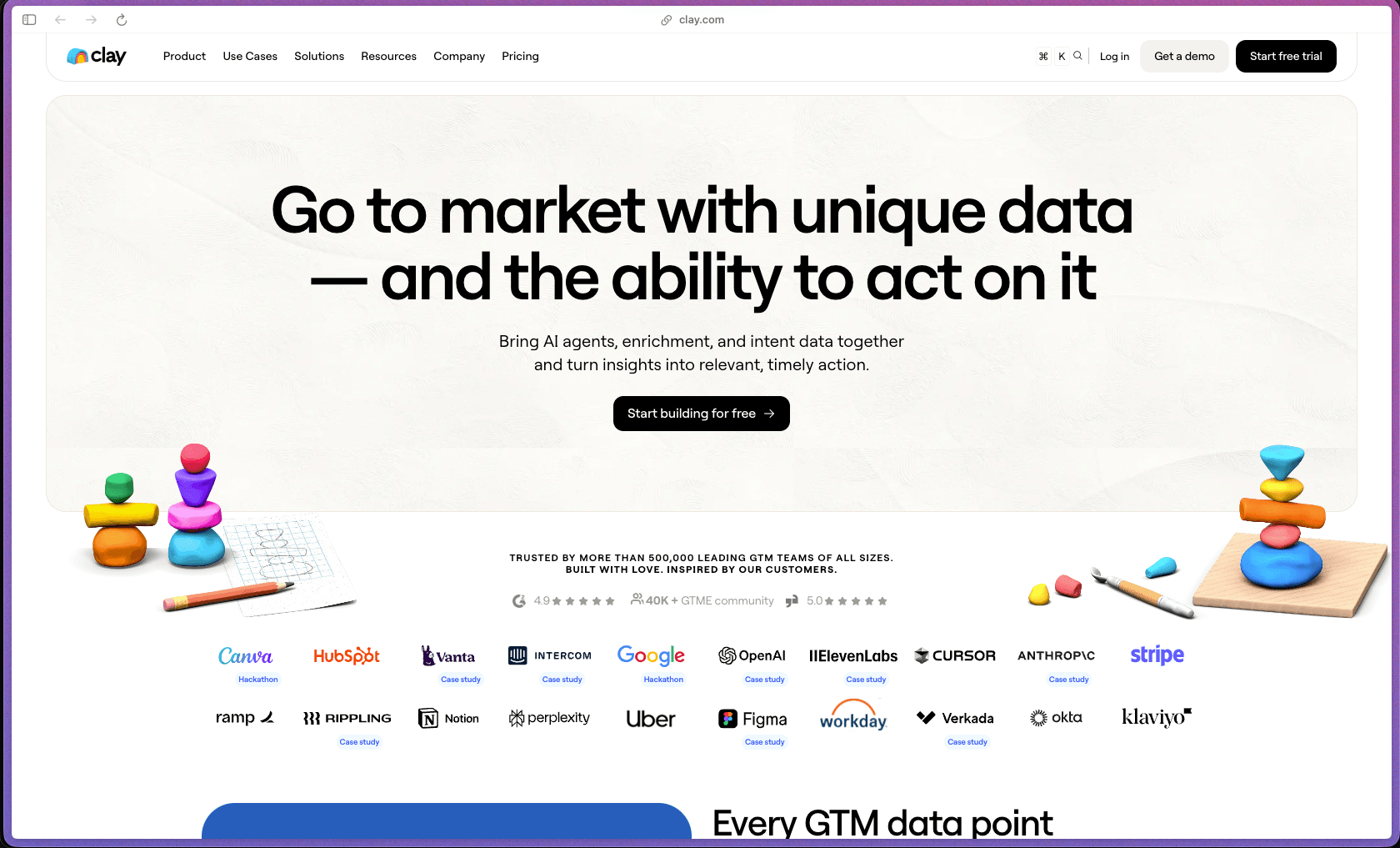
Clay solves a real operational pain for outbound sales teams: instead of juggling 5–10 separate data enrichment tools (Apollo, Clearbit, Hunter, etc.) and manually stitching together contact records, Clay connects all of them in one workspace and runs "waterfall enrichment"—trying each data source in sequence until it finds a match—which consistently produces better contact coverage than using any single provider alone. The AI agent layer (Claygent) adds website scraping and unstructured research that previously required human SDR time, and the direct CRM sync to HubSpot, Salesforce, and Pipedrive means enriched data lands where teams actually work. The free tier is genuinely usable for small experiments, and the 14-day Pro trial (no credit card noted as required on FAQ) lets teams test the full feature set before committing to a paid plan.
Clay uses a freemium subscription model with a permanently free tier (limited credits and rows) and three paid tiers—Launch, Growth, and Enterprise—billed monthly or annually, where annual billing carries a modest discount. All paid plans are credit-based, meaning data enrichment actions consume credits from a monthly allotment; additional credits can be purchased when the monthly limit is reached.
Clay offers a 14-day free trial with access to the Pro-level feature set (described as an $800/month value in the FAQ) and 1,000 credits, with no credit card requirement mentioned for the trial on the official FAQ page. A refund or money-back guarantee for paid plans is not specified on the official site.
Clay is "growing/stable"—founded in 2021 and now approaching 5 years of active operation, it has accumulated 222+ G2 reviews, a documented and expanding integration library of 100+ native data providers, and a growing community of third-party educators, courses, and implementation agencies building around the platform. In March 2026, Clay updated its pricing structure for new customers—retiring the Starter/Explorer/Pro tiers in favor of Launch and Growth—indicating active product and commercial development rather than a static product in maintenance mode. The platform is regularly referenced in B2B sales and RevOps communities (LinkedIn, YouTube, Skool) as a de facto standard tool for outbound workflow automation, which is consistent with a product that has moved beyond early-adopter status into broader professional adoption.
- Rated 4.6 out of 5 on G2 from 222+ verified reviews as of June 2026, with G2 scoring Clay at 9.6 out of 10 specifically for quality of support—above the category average for B2B data enrichment tools.
- G2 reviewers frequently cite Clay's multi-provider waterfall enrichment and AI research capabilities as the primary reasons their teams replaced multiple single-purpose data tools with Clay.
- Companies ranging from early-stage startups to teams at Databricks, Fullstory, ActiveCampaign, Anthropic, Apify, and Lusha are documented as Clay integration users.
- An independent March 2026 review analyzing 100+ Clay reviews on G2 describes Clay as "powerful because it lets smart operators build almost anything"—a summary consistent with the predominant pattern in verified user feedback.
- Clay connects to 9,000+ external apps through Zapier and maintains 100+ native integrations with data providers, CRMs, email sequencing tools, and AI services, making it one of the most broadly connected tools in the B2B enrichment category.
- The table-based workspace lets users import contact and company records from CSV files or directly from 10+ prospecting sources, then layer on enrichment and AI research actions column-by-column—similar to a spreadsheet but with live data actions running on each row.
- Multi-provider waterfall enrichment runs multiple data sources in a configured sequence per field (e.g., email address: try Hunter → then Findymail → then Snov.io) and stops when a result is found, maximizing contact data coverage without manual source-switching.
- Claygent is Clay's built-in AI research agent that visits websites, reads page content, and extracts relevant unstructured information—such as whether a company is hiring engineers, what their current pricing page says, or what tech stack they use—and adds it directly to the table row.
- The Function Module allows users to build scoring logic, conditional rules, and data transformations without writing code—described by independent reviewers as similar to spreadsheet IF formulas but with AI-assisted formula generation built in.
- Unlimited seats and tables are included on all plans including the free tier, meaning the number of users accessing a Clay workspace does not increase the subscription cost.
- Company Search lets users filter and pull company records by industry, geography, team size, LinkedIn activity, and keywords directly within Clay, removing the need for a separate prospecting list tool for basic list building.
- Job change tracking and signal monitoring (Launch and above) alerts teams when a tracked contact changes employer or a monitored company triggers a buying signal, enabling timely outreach without manual LinkedIn monitoring.
- Web intent signal tracking (Growth and above) surfaces companies that are actively researching relevant topics online, giving teams a prioritized list of warm accounts to target before a competitor does.
- Bulk row enrichment is available on all paid plans, with unlimited row enrichment available on Enterprise, allowing large-scale data processing without hitting per-run limits.
- Direct CRM integrations cover HubSpot, Salesforce, Pipedrive, Close, and Loxo, with CRM auto-sync (pushing enriched records back to the CRM automatically) available on Growth and above plans.
- 100+ native data provider integrations include Apollo.io, Clearbit, People Data Labs, LinkedIn, Crunchbase, Pitchbook, Hunter, RocketReach, ZoomInfo, Semrush, BuiltWith, and many others—accessible within the same workspace without separate tool logins.
- Email sequencing platform integrations connect Clay directly to Instantly, Smartlead, Lemlist, Salesloft, Outreach, and Customer.io so enriched contact records can be pushed to active outreach sequences without CSV exports.
- Zapier integration (available at the Growth tier and above through HTTP API support) connects Clay outbound events to 9,000+ external apps, and Clay is also natively available as an app within Zapier's automation builder.
- Ads platform audience pushes (Growth and above) allow teams to send enriched contact or company lists directly to LinkedIn Ads and other ads platforms as audience segments without manual list uploads.
- Data warehouse sync (Enterprise) connects Clay to Snowflake, Postgres, BigQuery, and similar warehouse systems for teams that run enrichment at scale and need enriched data flowing back to centralized data infrastructure.
- Webhook automation (Growth and above) triggers Clay tables from external events—such as a new form submission or inbound lead from a website—enabling real-time enrichment of incoming contacts as they enter the funnel.
- Clay Sequencer (all plans including free) is a built-in email sequencing tool that allows users to send AI-personalized outreach directly from Clay without needing to export contacts to a separate email tool.
- CRM auto-sync (Growth and above) automatically writes enriched and updated contact records back to HubSpot or Salesforce on a configurable schedule, keeping CRM data current without manual exports or imports.
- Inbound lead scoring and enrichment workflows can be triggered via webhooks when a new lead submits a web form, automatically enriching their record with firmographic and contact data and scoring them before the record reaches a CRM or sales queue.
- Job change and signal tracking (Launch and above) runs automatically on monitored contact lists and surfaces alerts when tracked individuals change roles or when monitored companies hit configured buying signals, removing the need for manual monitoring.
- The Function Module lets teams build conditional enrichment logic—for example, "only look up phone number if company size is over 50 employees"—so credit consumption is controlled and enrichment is targeted rather than running on every row indiscriminately.
- The graph mode view within Clay tables allows users to visualize distribution of values across a table column (e.g., company size distribution across a prospect list), providing a quick dataset overview without exporting to a separate tool.
- Credit usage monitoring is available within the Clay account dashboard, giving users visibility into how credits are being consumed across tables and actions before the monthly limit is reached.
- Table templates can be built, duplicated, and shared publicly by Clay users, enabling teams to build reusable workflow templates for specific use cases (e.g., e-commerce prospecting, SaaS funding list) and share them with clients or teammates.
- The waterfall enrichment sequence is fully configurable per field, allowing teams to choose which data providers run in which order based on their coverage quality and credit cost preferences.
- Enterprise plans include RBAC (role-based access control) and SSO, providing permission management for teams where different users should have access to different tables or actions within the workspace.
- Clay API access (Enterprise) enables fully custom integrations and programmatic table management for engineering teams building Clay into broader internal systems.
- Audience segmentation (Growth and above) supports configuring and pushing custom audiences to ads platforms, with unlimited Audiences available on Enterprise for teams running account-based advertising at scale.
- Enterprise plans include SSO (Single Sign-On) and RBAC (role-based access control) for organizations that require identity provider integration and granular user permission management.
- Clay's data processing operates under standard SaaS data security infrastructure; specific compliance certifications (SOC 2, GDPR, etc.) are not explicitly detailed on the public pricing or FAQ pages—buyers with specific compliance requirements should confirm directly with Clay's sales team.
- Contact data validation integrations (including ZeroBounce, NeverBounce, Debounce, and Clearout) are natively available within Clay to verify the accuracy of email addresses before outreach, reducing bounce rates and protecting sender domain reputation.
- B2B sales teams with 3–15 SDRs who are currently using multiple separate tools (Apollo for prospecting, Hunter for email finding, LinkedIn Sales Navigator for research) and want to consolidate into a single workspace where all enrichment runs in one place.
- RevOps professionals responsible for CRM data quality who need a tool that automatically re-enriches stale contact records, detects job changes, and pushes updated data to HubSpot or Salesforce without manual data hygiene work.
- Growth engineers and technical marketers at B2B SaaS companies who want to build automated inbound enrichment workflows—triggering contact enrichment, scoring, and CRM population the moment a lead submits a web form.
- Founders and solo operators running lean outbound sequences who want to build targeted prospect lists with AI-personalized email copy at a scale that would otherwise require a full SDR team.
- Recruitment and talent teams who need to build sourcing lists from LinkedIn and other data sources, enrich candidate records with contact details, and push profiles to an ATS without managing multiple tools.
- Account-based marketing teams running coordinated outreach and ads campaigns who need to build enriched target account lists and push them as audience segments to LinkedIn Ads and other platforms directly from their prospecting workflow.
- Use it for building a targeted outbound prospect list when you need to combine company filters (industry, size, location, tech stack) with contact-level enrichment (email, phone, LinkedIn URL) from multiple data providers without manually querying each one separately.
- Use it for CRM data hygiene and enrichment when your HubSpot or Salesforce database has stale records from contacts who have changed jobs, and you want to automatically re-verify and update those records without manual review.
- Use it for AI-personalized outbound email when you want each cold email to reference something specific about the prospect (their company's recent blog post, job posting, or product page) and need an AI agent to do that research automatically rather than SDRs doing it manually.
- Use it for inbound lead scoring and enrichment when a new lead fills out a web form and you want to automatically enrich their record with firmographic data, score them against your ICP criteria, and route them to the right CRM pipeline—before a rep ever opens the record.
- Use it for TAM (total addressable market) analysis when you want to pull a comprehensive list of all companies that match a specific ICP definition, enrich them with relevant signals, and build a prioritized target list for account-based outreach.
- Use it for competitor customer poaching campaigns when you want to build a list of companies currently using a specific competitor's product (using BuiltWith or similar technology detection integrations) and enrich that list with contact data for outreach.
- Cloud-hosted SaaS web application; Clay runs entirely in the browser with no desktop software or local installation required—accessible from any modern browser.
- 100+ native data provider integrations are built into the platform and accessible from within the table interface without separate accounts for each provider—Clay manages the underlying connections for many enrichment sources on a credit-consumption basis.
- CRM integrations (HubSpot, Salesforce, Pipedrive, Close, Loxo) enable bi-directional data flow between Clay tables and CRM contact/account records; CRM auto-sync is available on Growth and Enterprise plans.
- Email sequencing tool integrations include Instantly, Smartlead, Lemlist, Salesloft, Outreach, La Growth Machine, and Customer.io, supporting direct record export to active outreach sequences.
- HTTP API integration (Growth and above) and native Zapier connectivity enable custom workflow automation between Clay and tools outside the native integration library.
- Data warehouse integrations (Enterprise) support Snowflake, Postgres, and BigQuery via SQL query input and enriched data output, connecting Clay to data infrastructure at enterprise scale.
Clay occupies a distinct position from single-provider B2B data tools like Apollo.io, ZoomInfo, or Lusha—rather than being a single data source with its own proprietary database, Clay is a workflow layer that connects to 100+ existing data sources and runs them together, so teams aren't limited by the coverage gaps of any one provider. This multi-source approach is what Clay calls "waterfall enrichment," and it consistently produces better contact data coverage than any single-vendor tool, which is the primary reason teams cite it as a replacement for stacks of separate tools rather than a replacement for any single tool. Compared to manual SDR research workflows, Clay's AI agent (Claygent) handles unstructured website research that previously required human time, which reviewers describe as the biggest direct productivity impact for teams using it.
- All paid plans include access to a self-serve support portal; priority support is included on Growth, and Enterprise plans include a dedicated Growth Strategist—a named point of contact for onboarding, workflow design, and ongoing optimization questions. Clay's G2 support score of 9.6 out of 10 (as of April 2026) is notably above the category average, based on verified reviewer ratings of their support interactions.
- Clay University (university.clay.com) provides structured written documentation covering integrations, table logic, workflow patterns, and integration account management, with a searchable format and regularly updated content.
- A public community forum at community.clay.com exists for peer support and Q&A; beyond the official forum, a large ecosystem of third-party Clay educators, courses, YouTube channels, and Skool communities provides extensive supplementary learning resources for non-technical users who find the official documentation insufficient for hands-on learning.
- CRM auto-sync—one of the most practically important features for RevOps teams—is not available until the Growth plan, which is the second-highest self-serve tier; teams on the entry-level Launch plan who want enriched data to flow back to their CRM automatically will need to either upgrade or manage exports manually.
- Clay has a steep learning curve that independent reviewers and third-party educational resources consistently flag: the platform is highly flexible, but building effective enrichment workflows requires time to understand the credit system, waterfall logic, and AI prompt structure—teams without a technical operator may need to budget for onboarding time or external implementation support.
- Credit costs can be difficult to predict in advance—each enrichment action consumes credits at different rates depending on the data provider used, and teams running large tables or complex waterfall stacks can exhaust monthly credits faster than expected, making total monthly cost variable rather than fixed at the plan price.
- Clay Sequencer (built-in email sending) is available on all plans, but teams running high-volume outbound sequences at scale will typically still need a dedicated cold email platform (Instantly, Smartlead, Lemlist) alongside Clay rather than replacing it—Clay's sequencing is functional but not a full feature-equivalent to dedicated email outreach tools.
Related Products
Recently Added!
Wrike
Recently Added!
TimeDoctor

Recently Added!
RingCentral

Recently Added!
Retable

Recently Added!
Parallels Desktop

Recently Added!
Pabbly Connect

Recently Added!
Nuelink

Recently Added!
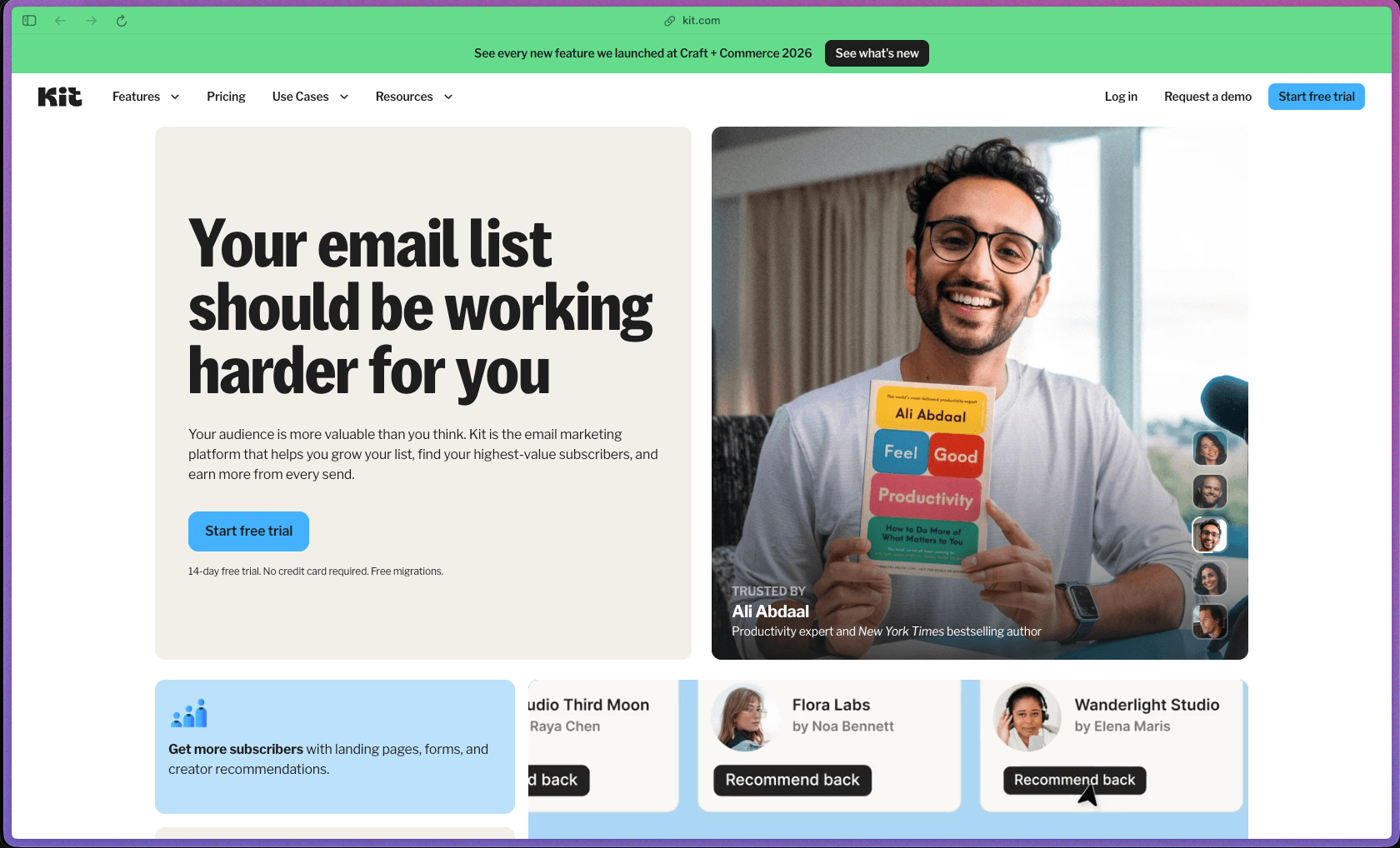
Kit (formerly ConvertKit)
Recently Added!
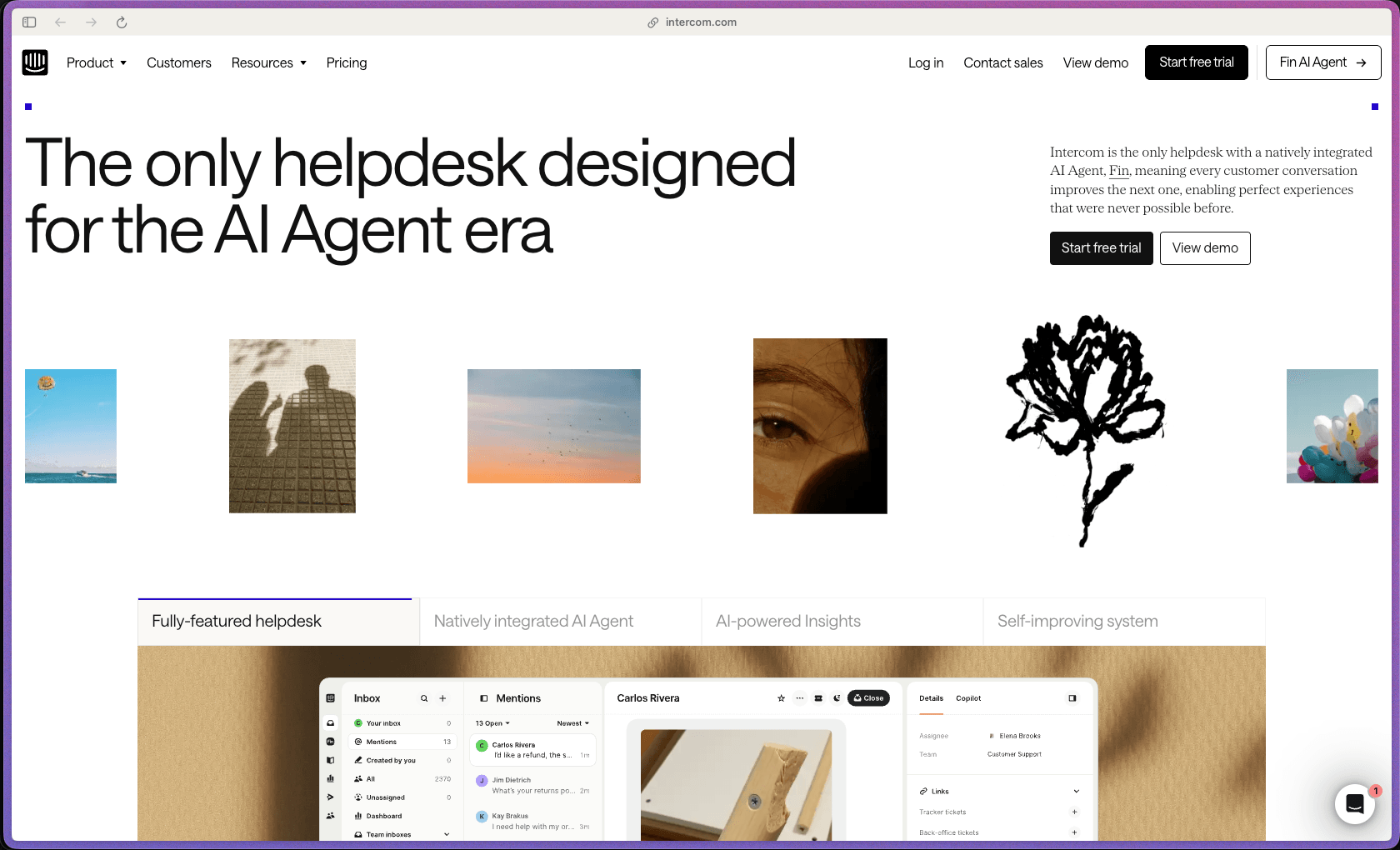
Intercom
Products With Lifetime Deals
Recently Added!
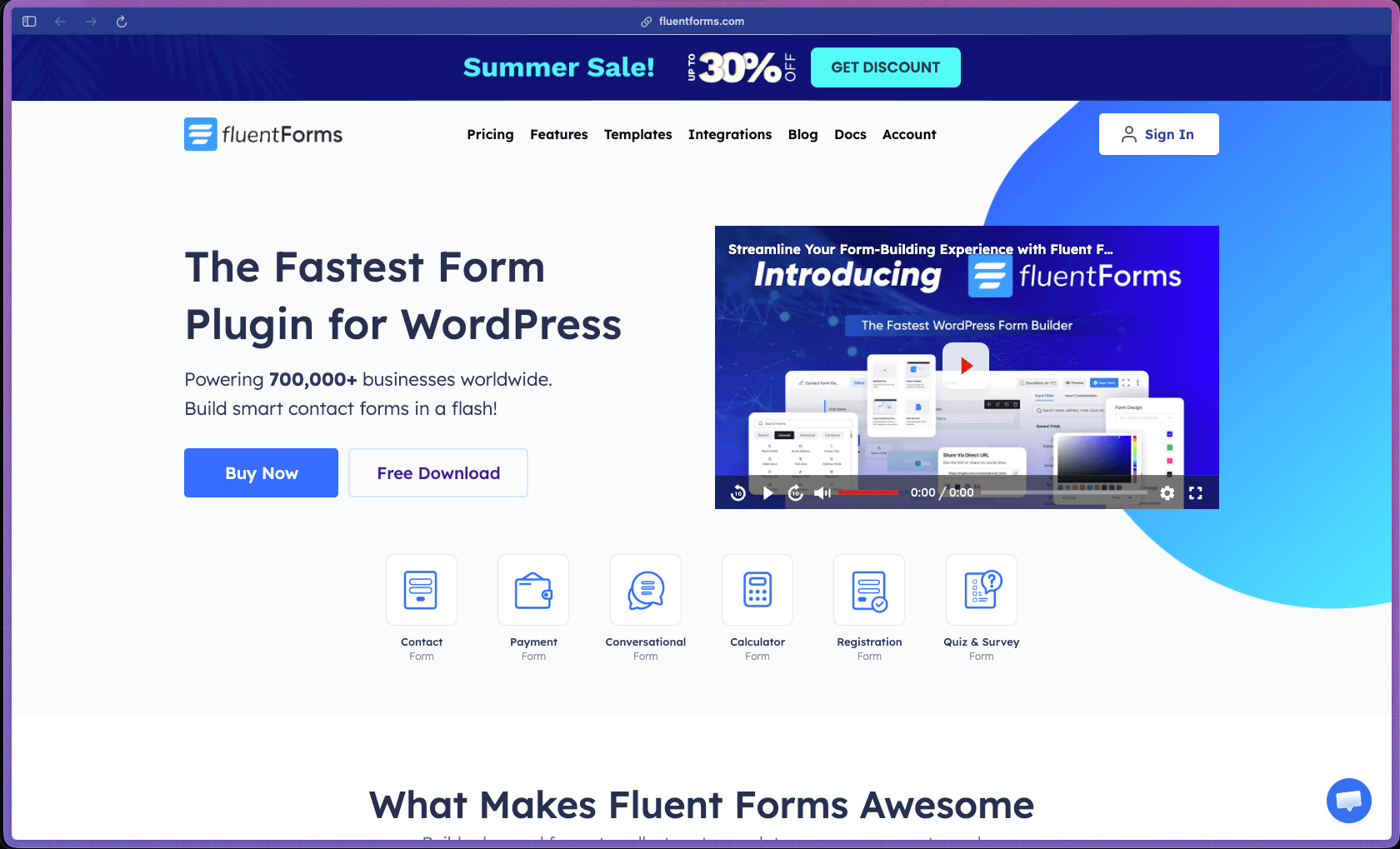
FluentForms
Recently Added!
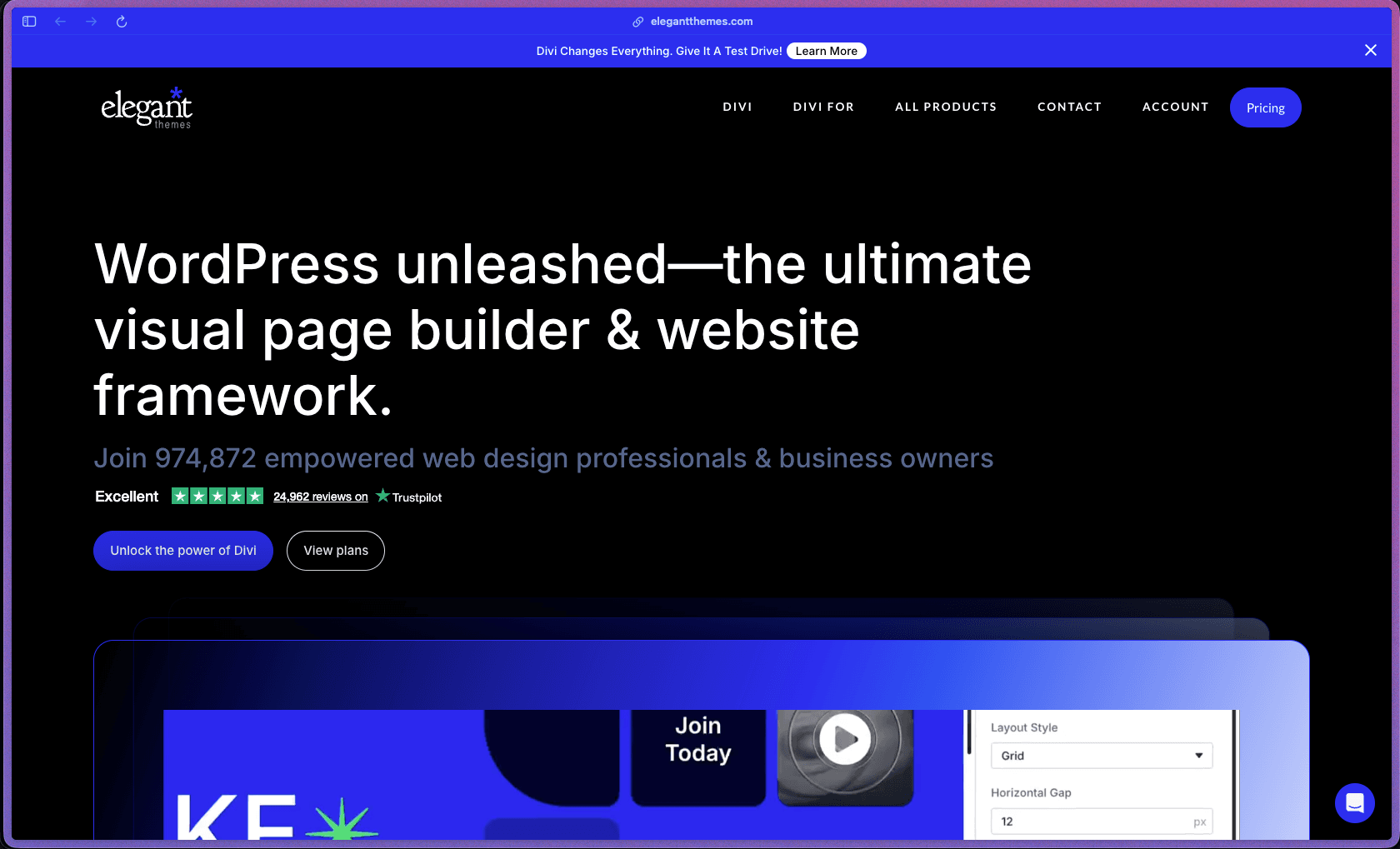
Divi Theme
Recently Added!
ConvertPro
Recently Added!
CartFlows
Recently Added!
Bullet Proof Security
Recently Added!
WP Booking Calendar
Recently Added!
BeaverBuilder
Recently Added!
Avada
Recently Added!
Independent Analytics
You Recently Viewed These
Recently Viewed
BitFlows

Recently Viewed
Amelia
Recently Viewed
Dynamic.ooo

Recently Viewed
Microthemer & Amender

Recently Viewed
LifterLMS

Recently Viewed
Masteriyo

Recently Viewed
Zynith SEO
Recently Viewed
Wrike
Recently Viewed
WPMU Dev
Recently Viewed
wpDataTables
Recently Viewed
WP Booking Calendar
Recently Viewed
Webflow