Parallels Desktop

This tool solves a very specific pain for Mac‑first teams that still depend on Windows, letting them consolidate hardware while keeping access to critical apps. It has been refined over many versions, supports both Intel and Apple silicon Macs, and focuses on performance and tight integration with macOS, which makes it practical for everyday work rather than just lab use.
Parallels Desktop is sold on a commercial license model with subscription and perpetual options depending on edition and channel. Free trial options are offered so users can evaluate the software before committing.
Purchases made through the official Parallels online store come with a 30‑day refund window, subject to the conditions in their return policy. Renewals and purchases made via third‑party stores are handled under those vendors’ own refund rules.
Parallels Desktop has been on the market for well over a decade and is now in its 19th major version, which points to a mature, established product. Frequent releases to support new macOS and Windows versions, plus ongoing reviews and coverage, indicate active development and a stable user base.
- Listed on Capterra with over 100 verified reviews from business users evaluating it as a virtualization solution.
- Available on the Mac App Store with public ratings and reviews from Mac users.
- The company highlights that Parallels Desktop is trusted by more than 7 million Mac users.
- Recognized with a 2024 “Top Rated” style award mentioned on the official site.
- Long‑running presence on G2 and other review platforms shows broad adoption in commercial environments.
- Runs Windows and other operating systems in virtual machines on a Mac, so you can use Windows applications alongside macOS without rebooting.
- Supports both Intel‑based and Apple silicon Macs, with OS support tailored to each (e.g., a wide range of Windows, Linux, and macOS guests on Intel, and Arm‑based Windows and Linux distributions on Apple silicon).
- Let's you adjust resources like CPU, GPU, and RAM allocated to each virtual machine, so you can balance performance with battery and system load.
- Provides tight integration between Windows and macOS, such as sharing files, copying and pasting, and using apps from both systems in a unified workflow.
- Supports device and peripheral integration, including options to connect storage devices and some USB hardware to the Windows virtual machine.
- Includes tools to simplify setup and provisioning of new virtual machines, making it quicker to spin up test or work environments.
- Newer versions add conveniences like Touch ID sign‑in support for Windows and improved controls for managing multiple macOS and Linux VMs on Apple silicon.
- Offers a control interface to manage multiple virtual machines, including creating, cloning, pausing, and resuming instances.
- For business and Pro editions, device management and policy control via tools like Microsoft Intune are supported for organizations managing many virtual Windows environments.
- Allows you to tune each VM’s hardware profile and display settings for specific workloads such as design tools, development, or office apps.
- Provides different viewing modes so you can run Windows in a full desktop window or blend Windows apps more closely into the macOS desktop.
- Zero‑trust style secure access and browser‑based delivery are available via related Parallels solutions like Parallels Secure Workspace and RAS for managed environments.
- Integration with enterprise management tools lets IT teams enforce policies and control virtual machines at scale.
- Mac‑based professionals who rely on one or more Windows‑only applications but prefer to stay on Apple hardware.
- Developers and QA teams who need multiple OS environments (Windows, Linux, sometimes macOS) on a single Mac for testing and compatibility work.
- Designers, engineers, and analysts running specialized Windows software such as CAD, GIS, or BI tools on a Mac.
- IT admins supporting mixed environments who want an easy way to replicate user setups and troubleshoot Windows issues from a Mac.
- Organizations that standardize on Macs but must provide staff with compliant, managed Windows desktops for specific tasks.
- Use it to run a full Windows desktop on a Mac when you need access to Windows‑only line‑of‑business software.
- Use it for cross‑browser and cross‑OS testing by spinning up multiple Windows and Linux virtual machines on the same machine.
- Use it to provide Windows environments for remote or hybrid staff while keeping the underlying hardware and primary OS as macOS.
- Use it to support colleagues or clients by reproducing their Windows setups and troubleshooting issues from your Mac.
- Use it as a lab environment to experiment with different OS versions and configurations without risking your main Mac installation.
- Desktop virtualization software installed on macOS, running as a native Mac application.
- Compatible with Intel‑based Macs and Apple silicon Macs, with guest OS support adjusted for each architecture.
- Supports running Windows, various Linux distributions, and on Intel some macOS versions as guests, with Arm‑based Windows and Linux on Apple silicon.
- Integrates with macOS features such as trackpad gestures, power modes, and printing, plus with enterprise tools like Microsoft Intune in certain editions.
Parallels Desktop positions itself as a straightforward way to run Windows and other operating systems on a Mac without giving up the macOS experience. Compared with dual‑boot setups or separate hardware, it emphasizes convenience, performance, and close integration, making it well‑suited to professionals who want Windows capability but live primarily in macOS.
- Parallels provides a knowledge base, FAQs, and how‑to articles, including specific documentation on policies like returns.
- Commercial licenses include access to Parallels customer support, which users on review sites often describe as responsive.
- Ongoing blog posts, videos, and version‑release content help users adopt new features and stay compatible with the latest macOS and Windows versions.
- As virtualization software, performance and battery life depend heavily on the host Mac’s hardware and the resources allocated to each VM.
- Some specialized Windows drivers and USB devices may not work perfectly through virtualization and can require workarounds.
- Running additional operating systems consumes storage space and may require careful disk management on Macs with smaller SSDs.
Related Products
Craft
UPDF

Trafft

Storydoc

ProWritingAid

Cogniflow

Vellum

Products With Lifetime Deals
Support Candy

New!
Bit Integrations

Amelia
Bricks Builder
BitFlows

Crocoblock

You Recently Viewed These
Recently Viewed
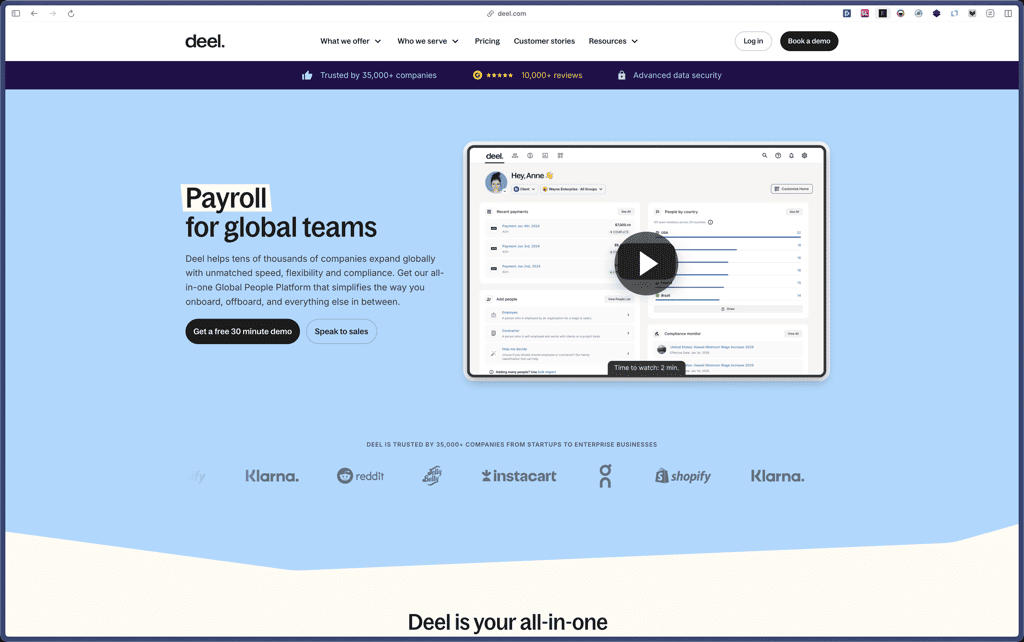
Deel
Recently Viewed
Craft
Recently Viewed
Cello

Recently Viewed
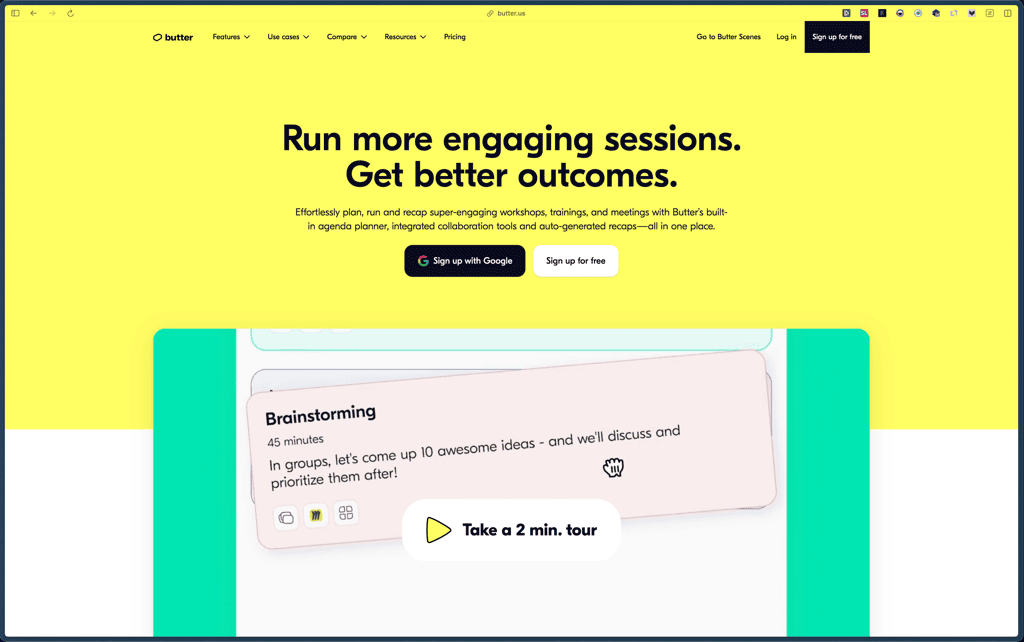
Butter
Recently Viewed
Bricks Builder
Recently Viewed
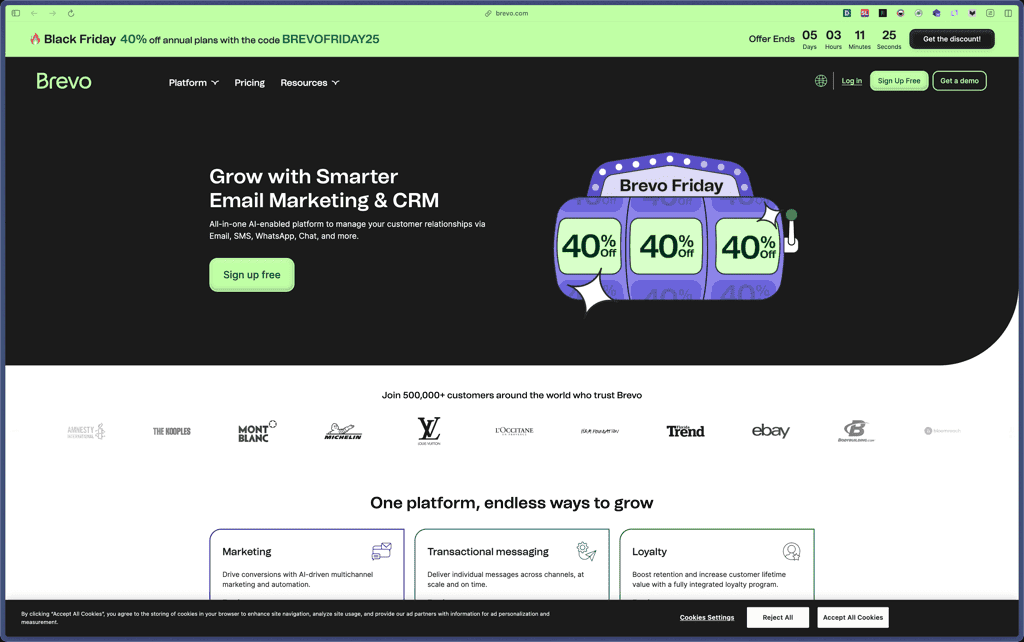
Brevo
Recently Viewed
Umso - Website Builder
Recently Viewed
Amelia
Recently Viewed
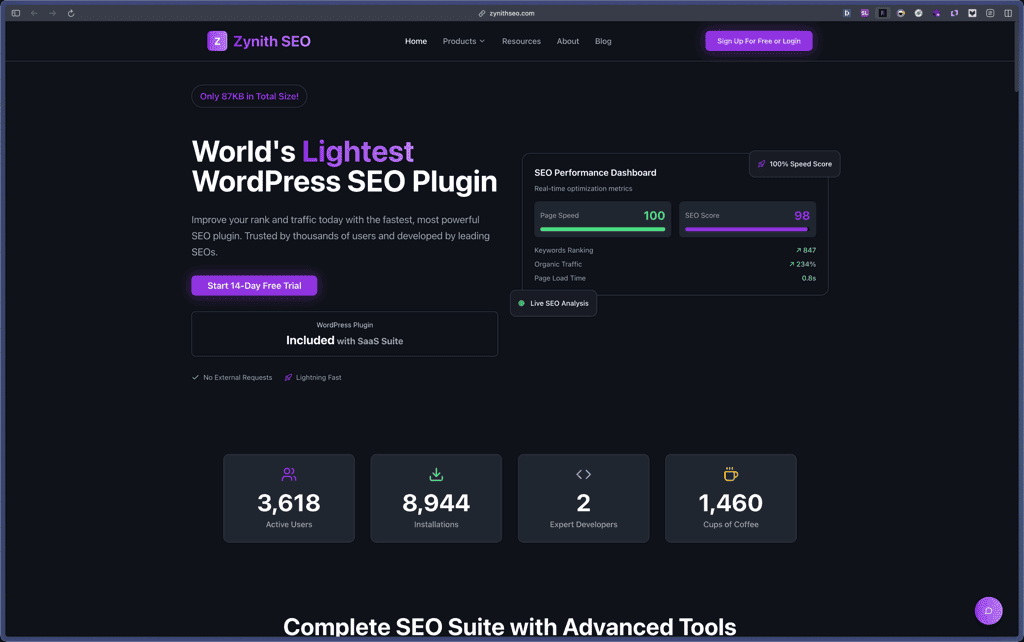
Zynith SEO
Recently Viewed
Wrike
Recently Viewed
wpDataTables
Recently Viewed
Webflow