Gato GraphQL

Gato GraphQL brings a production-grade GraphQL server with extensive schema coverage directly into WordPress, solving the headless and API development challenge without external services or heavy vendor lock-in. The plugin's modular architecture lets you activate only the extensions you need—access control, caching, custom endpoints, automation, integrations with Polylang, WooCommerce, Elementor, and more—while keeping the core free and open source on WordPress.org. Active development with 80+ GitHub releases, comprehensive documentation, and a transparent 30-day refund policy (60 days on AppSumo) make it a solid choice for developers building GraphQL-powered WordPress projects.
Gato GraphQL offers both annual subscription licenses (renewable yearly, starting from 5 to 100+ domains) and a lifetime deal option (one-time payment with unlimited updates and support). A free core plugin is available on WordPress.org, with paid Power Extensions bundles and individual Premium Extensions sold separately.
Gato GraphQL includes a 30-day money-back guarantee when purchased directly from the official site, and a 60-day money-back guarantee for lifetime deals purchased via AppSumo.
Gato GraphQL is a mature and actively developed plugin with a GitHub history dating back to 2016 and a public WordPress.org release that is regularly updated to support the latest WordPress versions. The plugin has gone through 84 tagged releases on GitHub (currently at version 13.3) with clear changelogs, comprehensive documentation on the official site, and an established extension ecosystem including both Power and Premium Extensions. The developer maintains an active support forum on WordPress.org, responds quickly to AppSumo reviews, and runs webinar series and tutorial content, all indicating a stable, production-ready tool rather than an early-stage experiment.
- Rated 5 stars on AppSumo based on 25+ verified reviews from developers and WordPress professionals.
- GitHub repository has 372 stars and 41 forks, with active contributions and regular releases since 2016.
- Listed on WordPress.org with regular updates, most recently tested with WordPress 6.9 as of December 2025.
- Featured in WP Builds podcast and multiple WordPress community webinars demonstrating GraphQL automation and headless architecture use cases.
- Built by Leonardo Losoviz, an experienced WordPress and GraphQL developer with public documentation and active support presence.
- GraphQL server implementation exposes all core WordPress data types—posts, pages, custom post types, users, comments, categories, tags, custom taxonomies, and media—through a standards-compliant GraphQL API.
- GraphiQL and Voyager clients are built into the WordPress admin, giving you interactive query editors and schema visualization tools without needing external GraphQL clients.
- Persisted queries let you save reusable GraphQL queries as endpoints with their own URLs, similar to REST but with GraphQL's flexibility, which is useful for frontend apps and automation.
- Gutenberg block data can be queried via fields like
blocks,blockDataItems, andblockFlattenedDataItems, allowing you to fetch structured content from block-based pages and posts. - Mutations for creating and updating posts, pages, custom posts, media items, categories, tags, users, and comments bring write capability to your GraphQL API.
- WooCommerce integration (Premium Extension) adds GraphQL fields to query product data directly from your store.
- Polylang integration (Premium Extension) provides multilingual field selectors, translation automation, and language-specific queries for multilingual WordPress sites.
- Elementor and Bricks integrations (Premium Extensions) let you fetch and update page builder data through GraphQL queries.
- Events Manager integration surfaces event data via the GraphQL schema for calendar and event-driven sites.
- Custom fields from plugins like Advanced Custom Fields and metadata from Yoast SEO can be queried using generic
metaValueandcustomPostfields.
- Automation extension (Premium) lets you trigger GraphQL persisted queries automatically when WordPress action hooks fire, such as when a post is published or a user registers.
- WP-Cron scheduling allows you to run GraphQL queries on a timed basis for tasks like syncing content, generating reports, or batch processing data.
- Internal GraphQL Server (Power Extension) enables executing GraphQL queries directly within PHP code, useful for plugin developers and custom WordPress functionality.
- Multiple Query Execution (Power Extension) combines multiple GraphQL queries into a single request, with shared state and ordered execution, reducing round trips for complex workflows.
- Schema introspection tools provide real-time visibility into the available types, fields, and directives, making it easy to discover what data you can query.
- Built-in Voyager client visualizes your GraphQL schema as an interactive graph, showing relationships between data types and helping teams understand API structure.
- Query logs and error reporting (configurable by severity in Settings) track GraphQL execution, warnings, and errors, which helps with debugging and monitoring API usage.
- Custom Endpoints (Power Extension) allow you to create multiple distinct GraphQL schemas under separate URLs, each tailored for different users, applications, or external services.
- Schema Configurations let you control exactly which post types, custom fields, meta keys, and taxonomies are exposed in each endpoint, giving fine-grained schema control.
- Access Control (Power Extension) grants granular permissions to schema elements based on user roles, capabilities, login status, or IP address, securing public and private APIs.
- Deprecation (Power Extension) provides a UI to mark fields as deprecated with replacement guidance, allowing schema evolution without breaking existing clients.
- Access control rules can restrict who sees which fields and data in the schema, based on WordPress user roles, capabilities, or IP whitelist, protecting sensitive information.
- Application Password support enables secure, token-based authentication for GraphQL API requests without exposing user passwords.
- Private and password-protected endpoints let you expose custom GraphQL schemas only to authorized users or applications.
- WordPress developers building headless sites with frameworks like Next.js, Nuxt, Astro, or Eleventy who need a flexible data layer without custom REST endpoints.
- Agencies managing multiple client WordPress sites who want to synchronize content, automate migrations, or expose unified APIs across a multisite network.
- Plugin and theme developers who need to query or mutate WordPress data programmatically within PHP code using the Internal GraphQL Server extension.
- Multilingual site operators using Polylang or MultilingualPress who want automated translation workflows and language-specific data queries via GraphQL.
- WooCommerce store owners who need to build custom frontend experiences or mobile apps that fetch product and order data via a standardized GraphQL API.
- Gutenberg block creators who want to query structured block content for dynamic page rendering or content analysis tasks.
- Use it for building headless WordPress sites when you want to separate content management (WordPress) from frontend rendering (React, Vue, static site generator).
- Use it for automating content workflows when you need to trigger actions like translating posts, syncing featured images, or sending notifications based on WordPress events.
- Use it for syncing data across multiple WordPress sites in a multisite network, allowing bulk content updates or migrations via GraphQL queries.
- Use it for creating custom mobile or web apps that need flexible, efficient data fetching from WordPress without building and maintaining custom REST endpoints.
- Use it for integrating WordPress with external services or cloud applications via HTTP Client extension, fetching data from third-party APIs and processing it within GraphQL queries.
- Use it for complementing WP-CLI commands when you want to query WordPress data and inject results into command-line automation scripts.
- Gato GraphQL is a WordPress plugin requiring WordPress 6.0 or higher and PHP 8.1 or higher (version 7.0+ supported PHP 7.4, but current versions require 8.1).
- The plugin is built on a CMS-agnostic PHP GraphQL server called GraphQL by PoP, which can theoretically run outside WordPress with minimal porting effort.
- Core plugin is free and open source (GPL-2.0 license) available on WordPress.org, with commercial Power and Premium Extensions sold separately as additional plugins.
- GitHub repository provides full source code, development environment using Lando and Composer, and extensive documentation for extending the GraphQL schema.
- Tested and compatible with WordPress Multisite, allowing network-wide installation and multisite-specific data queries.
Unlike WPGraphQL (which focuses on a single public endpoint) or the built-in WP REST API (which uses REST conventions), Gato GraphQL emphasizes modularity, multiple custom endpoints, and tight integration with WordPress admin workflows like persisted queries stored as custom post types. The plugin's Power Extensions model (bundled capabilities like access control, caching, and deprecation) and Premium Extensions (specific integrations like Polylang, WooCommerce, Elementor) give you pay-for-what-you-need flexibility rather than an all-or-nothing pricing structure. The ability to run GraphQL queries within PHP via the Internal GraphQL Server and trigger automation from WordPress hooks positions Gato GraphQL as both an external API tool and an internal automation engine for WordPress developers.
- Official documentation site at gatographql.com includes guides, extension references, a tutorial section, and a growing query library with real-world examples and recipes.
- Active support forum on WordPress.org where users can post questions, with the developer responding to issues and feature requests.
- GitHub repository serves as the public issue tracker for bug reports and feature discussions, with a clear contribution guide and code of conduct.
- YouTube channel (@GatoPlugins) and WP Builds webinar series provide video tutorials and demonstrations of plugin features.
- AppSumo reviews show the developer (Leonardo) actively responding to user feedback and questions, often within hours.
- Requires PHP 8.1 or higher for current versions (v14+), which may not be available on older or budget shared hosting environments.
- Power Extensions and Premium Extensions are sold separately with annual or lifetime licensing, so full functionality requires additional purchases beyond the free core plugin.
- Learning curve for GraphQL itself can be steep for developers unfamiliar with the query language, though the plugin includes tutorials and interactive GraphiQL client to help.
- Some integrations (WooCommerce, Polylang, Elementor, Bricks, Events Manager, MultilingualPress) are Premium Extensions sold individually, which can add cost if you need multiple integrations.
Related Products
Crocoblock

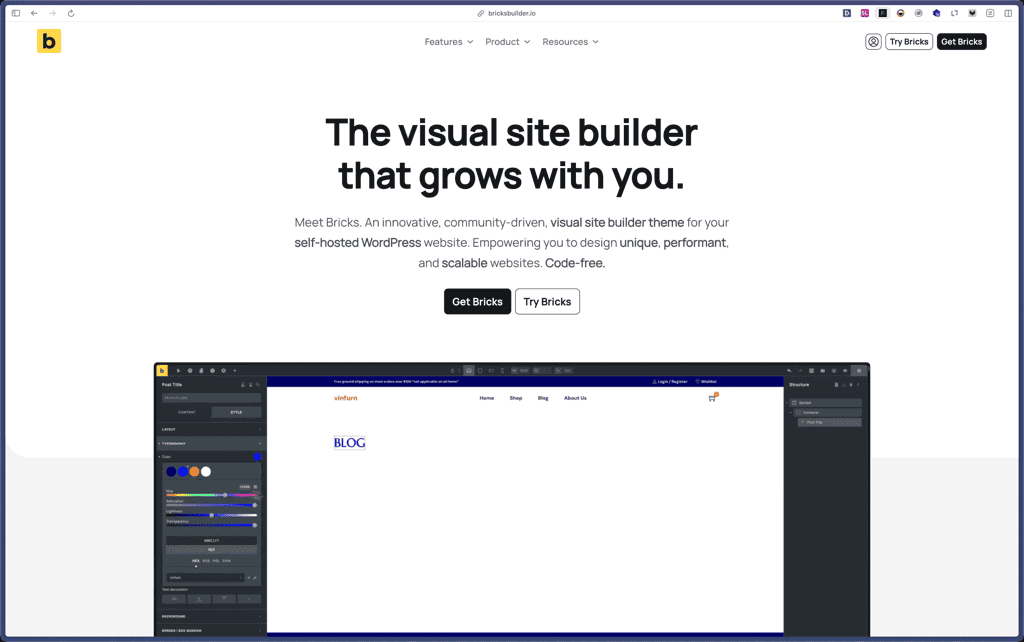
Bricks Builder
BlogVault

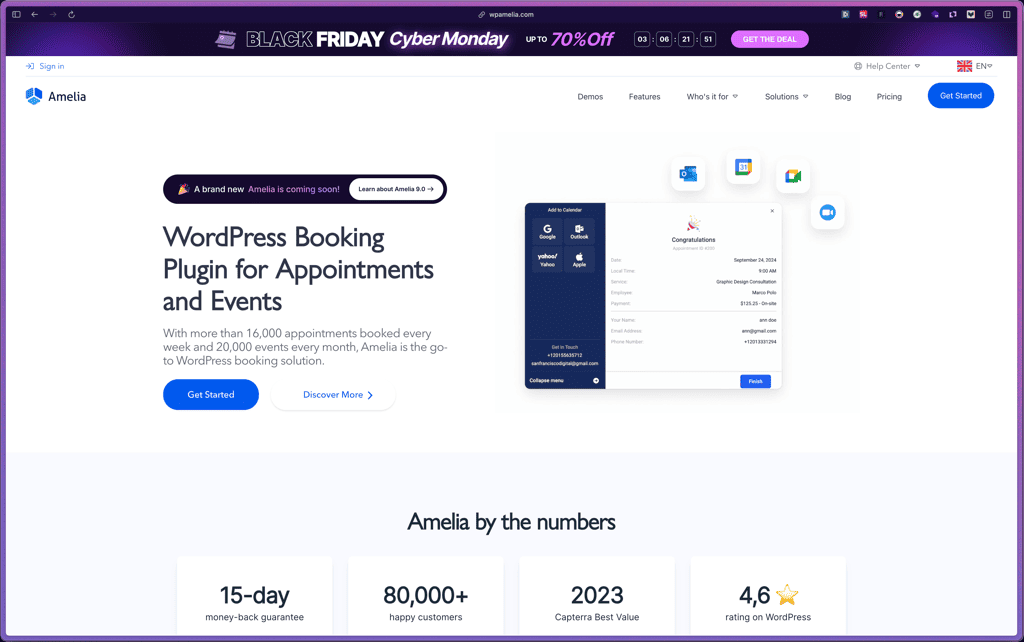
Amelia
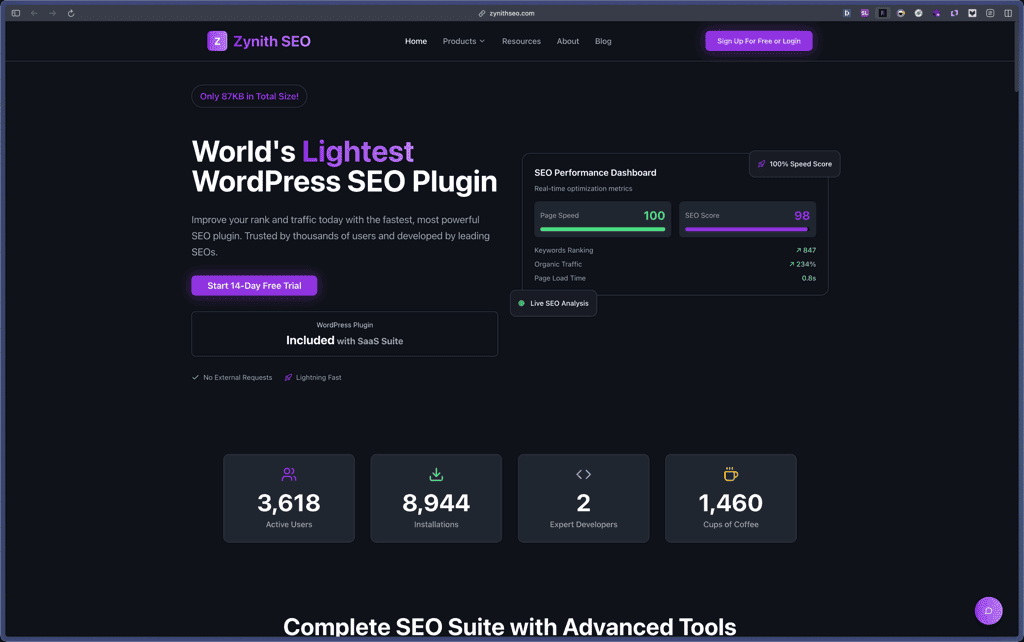
Zynith SEO
wpDataTables
WP SimplePay

Support Candy

Qi Theme

Products With Lifetime Deals
Support Candy
New!
Bit Integrations

Amelia
Bricks Builder
BitFlows

Crocoblock
You Recently Viewed These
Recently Viewed
Deel

Recently Viewed
Craft
Recently Viewed
Cello
Recently Viewed
Butter
Recently Viewed
Bricks Builder
Recently Viewed
Brevo
Recently Viewed
Umso - Website Builder
Recently Viewed
Amelia
Recently Viewed
Zynith SEO
Recently Viewed
Wrike
Recently Viewed
wpDataTables
Recently Viewed
Webflow